

Successfully raising laying hens requires understanding their specific nutritional demands throughout different life stages. Accessing a comprehensive
layer chicken feeding guide PDF is crucial for optimal flock health and consistent egg production, ensuring a profitable venture.
Understanding Layer Chicken Nutritional Needs
Layer chickens possess unique nutritional requirements, differing significantly from those of broilers or chicks. A detailed layer chicken feeding guide PDF emphasizes the importance of providing a balanced diet formulated to support both their physiological functions and high-quality egg production. Key nutrients include protein, carbohydrates, fats, vitamins, and minerals – each playing a vital role.
Protein is essential for muscle development and egg formation, while carbohydrates and fats provide energy. Crucially, calcium is paramount for strong eggshells. A good guide will detail the precise percentages of each nutrient needed at various stages. Ignoring these needs can lead to reduced egg yield, poor egg quality, and even health problems within the flock. Therefore, consulting a reliable PDF resource is invaluable.
Importance of a Balanced Diet
A balanced diet is non-negotiable for maximizing the productivity and well-being of layer chickens. A comprehensive layer chicken feeding guide PDF illustrates how deficiencies in even a single nutrient can drastically impact egg production, shell quality, and the hen’s overall health. Imbalances can manifest as reduced egg size, thin shells, or even complete cessation of laying.
Furthermore, proper nutrition strengthens the immune system, making hens less susceptible to disease. The PDF will highlight the synergistic effects of nutrients – how one nutrient enhances the absorption or utilization of another. Prioritizing a balanced diet, guided by expert resources, translates directly into a healthier flock and a more sustainable egg supply, ultimately boosting profitability.
Stages of Layer Chicken Feeding
Layer chicken feeding evolves with age; a detailed guide PDF outlines distinct phases—starter, grower, and layer—each demanding specific nutrient ratios for optimal development and egg production.
Chick Starter (0-6 Weeks)
During the initial 0-6 week phase, chicks require a highly digestible, protein-rich starter feed. A comprehensive layer chicken feeding guide PDF will emphasize the importance of a 20-24% protein content to support rapid growth and development. This starter feed should be finely ground for easy consumption by the young chicks.
The PDF will also detail essential vitamin and mineral supplementation, particularly focusing on Vitamin D for calcium absorption and preventing skeletal issues. Proper hydration is equally vital; ensure clean, fresh water is always available. The guide will likely caution against introducing grit at this stage, as chicks’ digestive systems aren’t yet equipped to process it. Following a PDF’s recommendations closely during this critical period sets the foundation for a healthy, productive laying hen.
Protein Requirements for Chicks
A detailed layer chicken feeding guide PDF will clearly outline the critical protein needs of chicks. Typically, chicks from day one to three weeks require a starter feed containing 22-24% protein to fuel their rapid growth. As they mature from three to six weeks, this requirement can be slightly reduced to 20-22%.
The PDF will emphasize that protein sources should be highly digestible, such as soybean meal or fishmeal. Insufficient protein can lead to stunted growth and weakened immune systems. Conversely, excessive protein can strain developing kidneys. The guide will likely provide tables illustrating appropriate protein levels based on chick age and breed, ensuring optimal development and future laying potential.
Essential Vitamins and Minerals
A comprehensive layer chicken feeding guide PDF highlights the vital role of vitamins and minerals in chick development. Vitamin D3 is crucial for calcium absorption, preventing rickets; Vitamin A supports vision and immune function, while Vitamin E acts as an antioxidant. The PDF will detail specific mineral requirements, including calcium and phosphorus for bone growth.
Chicks need adequate levels of manganese for enzyme systems, zinc for immunity, and selenium for antioxidant defense. The guide will likely specify supplementation levels, emphasizing the importance of a balanced mineral ratio. Deficiencies can cause various health problems, impacting growth and overall well-being, so a detailed PDF is essential.
Grower Feed (6-18 Weeks)
A detailed layer chicken feeding guide PDF emphasizes transitioning to grower feed around 6 weeks of age. This phase focuses on supporting rapid growth while preparing the pullets for egg production. Protein levels are typically reduced compared to the chick starter phase, promoting leaner muscle development. The PDF will outline precise protein percentages, usually around 14-16%.
Crucially, this stage introduces a small amount of calcium, vital for developing strong skeletal structures. However, excessive calcium at this point can cause kidney damage, so the guide will specify appropriate levels. The PDF will also cover energy requirements and the importance of maintaining a consistent feeding schedule for optimal growth and future laying performance.
Adjusting Protein Levels
A comprehensive layer chicken feeding guide PDF highlights the necessity of carefully adjusting protein levels during the grower phase (6-18 weeks). Initially, protein is reduced from the chick starter’s high percentage (around 20-22%) to approximately 14-16% in grower feed. This controlled reduction prevents overly rapid growth, which can lead to laying problems later.
The PDF will detail a gradual decrease, potentially outlining specific protein percentages for different weight ranges within the 6-18 week period. Maintaining adequate, but not excessive, protein supports healthy skeletal development and prepares the pullets for the demands of egg production. Incorrect protein levels can negatively impact future egg size and overall flock health, as detailed in the guide.
A detailed layer chicken feeding guide PDF emphasizes the importance of introducing calcium gradually during the grower phase (6-18 weeks). While layers require significantly higher calcium for shell formation, early and excessive calcium can interfere with kidney development. The PDF will likely recommend starting with a low calcium level, around 0.9-1.0%, and slowly increasing it.
This gradual introduction prepares the hen’s digestive system to efficiently absorb calcium later. The guide may suggest incorporating calcium sources like limestone or oyster shell in increasing proportions. Proper calcium management during this stage is crucial for preventing calcium deficiencies and ensuring strong, high-quality eggshells when laying commences.
Layer Feed (18+ Weeks)
A comprehensive layer chicken feeding guide PDF will detail the specific requirements for hens in full lay (18+ weeks). This stage demands a feed formulated with approximately 16-18% protein and, crucially, 3.5-4.0% calcium to support consistent eggshell production. The PDF will likely highlight the importance of maintaining adequate phosphorus levels for calcium absorption.
Energy levels should also be sufficient to sustain egg production without causing excessive weight gain. The guide may offer advice on adjusting feed intake based on environmental temperature and laying rate. It will also emphasize the need for consistent access to fresh water and supplemental calcium sources like oyster shell.
Optimal Calcium Levels for Egg Production
A detailed layer chicken feeding guide PDF stresses that eggshell formation is heavily reliant on calcium. Hens require 3.5% to 4.0% calcium in their diet during peak production. Insufficient calcium leads to thin-shelled, or even shell-less, eggs, and ultimately, reduced egg numbers. The PDF will likely explain calcium’s metabolic pathway in hens.
It will also detail how calcium absorption is linked to Vitamin D3 and phosphorus levels. Supplemental calcium sources, like oyster shell or limestone, are often recommended, allowing hens to self-regulate intake. The guide will likely caution against excessive calcium, which can hinder nutrient absorption.
Maintaining Protein and Energy
A comprehensive layer chicken feeding guide PDF emphasizes consistent protein and energy levels for sustained egg production and hen health. While calcium is vital for shells, protein (around 16-18%) supports egg white formation and overall body condition. Energy, measured in metabolizable energy (ME), fuels these processes.
The PDF will likely detail how protein requirements slightly decrease as hens age, but remain crucial. It will also explain the importance of balanced energy intake to prevent obesity or weight loss. Proper energy levels ensure hens have the reserves to cope with stress and maintain consistent laying rates, as highlighted in the guide.
Types of Layer Chicken Feed
A layer chicken feeding guide PDF details commercial options like pellets and mash, or homemade rations, alongside supplemental feeds. Choosing the right feed impacts egg quality and hen vitality.
Commercial Layer Feeds
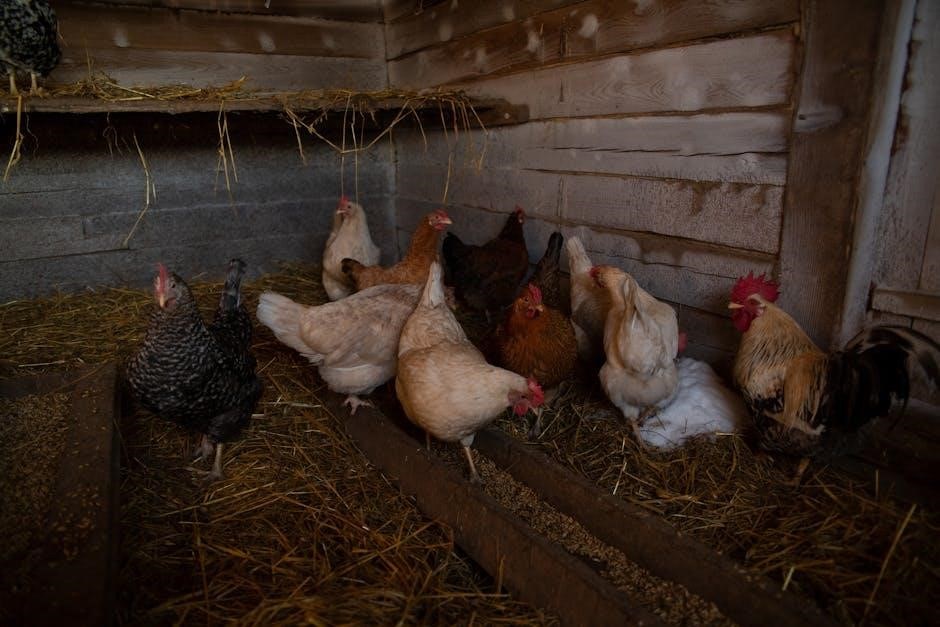
Commercial layer feeds represent a convenient and often nutritionally complete option for poultry keepers. A detailed layer chicken feeding guide PDF will often highlight the benefits of these pre-mixed formulations, designed to meet the specific needs of hens at various laying stages. These feeds typically come in two primary forms: pellets and mash.
Pellet form offers reduced waste, as chickens cannot selectively pick out preferred ingredients, ensuring a balanced intake. Mash, on the other hand, allows for more natural foraging behavior but can lead to increased spillage. Selecting the appropriate brand is vital; a quality guide PDF will emphasize researching manufacturers known for adhering to strict quality control standards, avoiding those with a history of poor formulations, which can result in significant losses.
Pellet vs. Mash Form
A comprehensive layer chicken feeding guide PDF will detail the pros and cons of pellet versus mash feed. Pelleted feed minimizes waste as hens cannot selectively consume preferred ingredients, promoting balanced nutrition and reducing spillage. This consistency is beneficial for uniform flock health and predictable egg production.
Mash feed, however, encourages natural foraging behaviors, potentially reducing boredom and improving overall well-being. However, it’s prone to waste as chickens scratch through it, discarding certain components. The PDF guide will likely advise considering your flock management style; pellets suit automated feeders, while mash is better for free-range systems. Ultimately, the best choice depends on your priorities and resources.
Choosing the Right Brand
A detailed layer chicken feeding guide PDF emphasizes the importance of selecting a reputable feed brand. Many companies compromise on quality, leading to nutritional deficiencies and reduced egg production. Look for brands with transparent ingredient lists and guaranteed analysis, verifying they meet layer hens’ specific needs.
The PDF will likely advise researching brand reputations and seeking recommendations from experienced poultry keepers. Prioritize brands that conduct rigorous quality control and adhere to industry standards. Beware of excessively cheap feeds, as they often lack essential nutrients. Investing in a high-quality brand ensures optimal flock health, consistent egg laying, and minimizes potential losses.
Homemade Layer Feed
A comprehensive layer chicken feeding guide PDF often includes recipes for creating balanced homemade rations. This allows for greater control over ingredients and potential cost savings, though careful formulation is essential. The PDF will detail precise proportions of grains like corn and wheat, alongside protein sources such as soybean meal or sunflower seeds.
Crucially, the guide will emphasize the need for supplementing with calcium – oyster shell or limestone – for strong eggshells. A detailed cost analysis within the PDF helps determine if homemade feed is economically viable compared to commercial options, factoring in ingredient prices and labor.
Ingredients for a Balanced Ration
A detailed layer chicken feeding guide PDF will meticulously outline ingredients for a balanced homemade ration. Typically, this includes approximately 60-70% grains like corn and wheat, providing energy. Protein sources, constituting 15-20%, often involve soybean meal, sunflower seeds, or fishmeal.
Essential supplementation – around 10-15% – comprises oyster shell or limestone for calcium, vital for eggshell formation. Vitamins and minerals, though needed in smaller quantities, are non-negotiable, often sourced from premixes. The PDF stresses the importance of ingredient quality and proper mixing to ensure uniform nutrient distribution for optimal hen health.
Cost Analysis of Homemade Feed
A comprehensive layer chicken feeding guide PDF emphasizes a thorough cost analysis before opting for homemade feed. This involves meticulously tracking ingredient prices – grains, protein sources, calcium supplements, and vitamin/mineral premixes – and calculating the cost per pound of finished feed.
Comparing this cost to commercially available layer feed is crucial; While homemade feed can be cheaper, fluctuating ingredient prices and the labor involved must be factored in. The PDF often includes spreadsheet templates to aid in this analysis, highlighting potential savings or drawbacks, ensuring informed decision-making for poultry farmers.
Supplemental Feeds
A detailed layer chicken feeding guide PDF stresses that supplemental feeds enhance, but don’t replace, a balanced layer ration. Grit, essential for digestion, and oyster shell, providing extra calcium for strong eggshells, are frequently recommended. The PDF clarifies appropriate quantities based on flock size and age.
Furthermore, it explores the benefits of offering vegetable and fruit scraps, emphasizing moderation and avoiding toxic foods. The guide often includes a list of safe and unsafe scraps. It highlights that insects can provide good nutrition, but aren’t a complete feed substitute, promoting a holistic approach to layer hen nutrition.
Grit and Oyster Shell
A comprehensive layer chicken feeding guide PDF emphasizes the critical role of grit in avian digestion. Chickens lack teeth, so grit – small stones – aids in grinding food within the gizzard, maximizing nutrient absorption. The PDF details appropriate grit size based on the chicken’s age, with finer grit for chicks and coarser for adults.
Oyster shell, rich in calcium carbonate, is equally vital, particularly for laying hens. The guide explains how calcium supports strong eggshell formation, preventing thin or brittle eggs. It advises offering oyster shell ad libitum, allowing hens to self-regulate their intake based on need.
Vegetable and Fruit Scraps
A detailed layer chicken feeding guide PDF highlights the benefits of supplementing commercial feed with kitchen scraps. Offering vegetable and fruit scraps provides essential vitamins and minerals, enriching the hens’ diet and potentially improving egg yolk color. However, the PDF stresses moderation and careful selection.
Certain foods are toxic – avocado pits and skins, chocolate, onions, and raw potatoes are strictly prohibited. The guide recommends chopping scraps into small, manageable pieces and avoiding moldy or spoiled items. It also suggests a ratio of no more than 10% of the total diet consisting of these supplemental treats, ensuring a balanced nutritional intake.
Feeding Management Practices
A layer chicken feeding guide PDF emphasizes consistent feeding schedules, ample clean water access, and proper feed storage. These practices maximize nutrient absorption and minimize waste.
Feeding Frequency and Quantity
A detailed layer chicken feeding guide PDF will outline appropriate feeding frequencies based on age and production stage. Generally, chicks require frequent, small meals throughout the day, transitioning to fewer, larger feedings as they mature.
For layers, ad libitum feeding – allowing constant access to feed – is common, but controlled feeding can prevent obesity. The quantity depends on breed, weight, and egg output.
Monitor feed consumption; sudden changes can indicate health issues. A guide will specify approximate daily feed intake, typically ranging from 120-140 grams per hen. Ensure all birds have equal access to feeders to avoid competition and ensure adequate nutrition for each individual within the flock.
Water Availability
A comprehensive layer chicken feeding guide PDF emphasizes the critical importance of constant, clean water access. Water constitutes approximately 70% of a chicken’s body weight, making it essential for all bodily functions, including digestion, nutrient absorption, and egg formation;
Provide multiple water sources, especially for larger flocks, to minimize competition. Regularly clean and disinfect waterers to prevent bacterial growth and algae buildup.
Water quality is paramount; avoid sources contaminated with chemicals or pollutants. During hot weather, increase water availability and consider adding electrolytes to support hydration. Monitoring water consumption can also indicate potential health problems within the flock.
Feed Storage and Hygiene
A detailed layer chicken feeding guide PDF stresses proper feed storage to maintain nutritional value and prevent contamination. Store feed in a cool, dry, and rodent-proof location, ideally in sealed metal containers. This protects against moisture, insects, and pests that can degrade feed quality.
Regularly clean feeders to remove old feed and prevent the growth of mold and bacteria. Disinfect feeders periodically with a poultry-safe disinfectant. Avoid leaving feed exposed to the elements for extended periods.
Implement a “first in, first out” system, using older feed before newer batches. Proper hygiene minimizes the risk of disease transmission within the flock and ensures optimal feed utilization.
Common Feeding Problems & Solutions
A layer chicken feeding guide PDF highlights issues like egg binding, low production, and feed refusal. Promptly addressing these with dietary adjustments and veterinary advice is vital.
Egg Binding
Egg binding, a potentially fatal condition, occurs when a hen cannot expel an egg. A detailed layer chicken feeding guide PDF emphasizes the critical role of calcium in preventing this. Insufficient calcium leads to weak-shelled eggs that are difficult to pass.
The guide will also detail how proper hydration and a balanced diet, rich in Vitamin D3, are essential for calcium absorption. Obesity can also contribute, so maintaining a healthy weight is crucial. Symptoms include straining, lethargy, and a swollen vent.
Immediate intervention, often involving gentle lubrication and sometimes veterinary assistance, is necessary. Preventative measures, as outlined in the PDF, are always preferable to treatment, focusing on optimal nutrition and flock management.
Causes and Prevention
A comprehensive layer chicken feeding guide PDF identifies several causes of egg binding. Primarily, calcium deficiency results in thin-shelled, oversized, or oddly shaped eggs. Imbalance in Vitamin D3 hinders calcium absorption, exacerbating the issue. Obesity, stemming from overfeeding, can physically obstruct egg passage.
Prevention centers on a diet formulated for laying hens, providing adequate calcium and Vitamin D3. Maintaining ideal body condition through controlled feeding is vital. The PDF stresses the importance of oyster shell supplementation for extra calcium.
Regularly checking hens for signs of strain and providing a warm, stress-free environment also contributes to prevention. Early detection and intervention, guided by the PDF’s recommendations, significantly improve outcomes.
Low Egg Production
A detailed layer chicken feeding guide PDF highlights nutritional deficiencies as a primary cause of reduced egg yield. Insufficient protein intake directly impacts egg size and quantity. Calcium and phosphorus imbalances disrupt shell formation, leading to fewer eggs. Vitamin deficiencies, particularly Vitamin D3, hinder calcium absorption, further decreasing production.
The PDF emphasizes the importance of a balanced layer feed, meeting specific protein, calcium, and vitamin requirements. It details how to identify deficiencies through observation – thin shells, soft eggs, or decreased egg size.
Correcting these imbalances with appropriate feed adjustments, supplementation, and ensuring adequate water intake, as outlined in the guide, can restore optimal egg production.
Nutritional Deficiencies
A comprehensive layer chicken feeding guide PDF meticulously details how specific nutritional deficiencies manifest in laying hens. Protein deficiency leads to reduced egg size and overall production decline. Calcium and phosphorus shortages result in thin-shelled or shell-less eggs, increasing breakage during collection.
Vitamin D3 deficiency impairs calcium absorption, exacerbating shell quality issues. Lack of Vitamin A can cause reduced hatchability if eggs are incubated. The PDF stresses the importance of recognizing deficiency symptoms – poor feathering, lethargy, and decreased appetite – as early indicators.
It provides precise guidance on supplementing deficient nutrients through feed adjustments or targeted supplements, restoring optimal health and egg production.
Feed Refusal
A detailed layer chicken feeding guide PDF addresses feed refusal, a common concern for poultry keepers. Sudden refusal often signals illness; the PDF emphasizes observing birds for other symptoms like lethargy or abnormal droppings. Moldy or spoiled feed is a primary cause, requiring immediate removal and replacement.
Changes in feed type should be gradual to avoid digestive upset. Stress, such as from predators or environmental shifts, can also trigger refusal. The guide recommends ensuring adequate feeder space to minimize competition.
Offering palatable supplemental feeds like vegetable scraps (in moderation) can sometimes entice birds to eat. If refusal persists, veterinary consultation is advised.
Identifying and Addressing Issues
A comprehensive layer chicken feeding guide PDF stresses careful observation to pinpoint causes of feed refusal. Begin by inspecting the feed for mold, pests, or spoilage – discard any compromised batches immediately. Assess the birds’ overall health; are they displaying other signs of illness like ruffled feathers or decreased activity?
Ensure adequate feeder space and minimize stress factors. If a new feed is introduced, confirm a gradual transition. The PDF suggests offering tempting supplements like chopped greens to stimulate appetite.
Persistent refusal warrants veterinary attention to rule out underlying medical conditions. Accurate diagnosis is key to effective treatment.
Resources & Further Information
Numerous online resources and downloadable layer chicken feeding guide PDFs offer detailed nutritional advice. Explore university extension services and poultry associations for expert guidance.
Layer Chicken Feeding Guide PDF Availability
Finding a reliable layer chicken feeding guide in PDF format is essential for successful poultry management. Many agricultural universities and governmental poultry extension services offer free, downloadable guides. These resources typically detail the precise nutritional requirements of laying hens at each stage of life – from chick starter to full-fledged layers.
Search for PDFs from institutions like the Oklahoma State University Extension, or consult poultry-focused websites; These guides often include detailed tables outlining protein, calcium, and vitamin needs. They also cover appropriate feed formulations and supplemental feeding strategies. Ensure the PDF is from a credible source and recently updated to reflect current best practices in poultry nutrition. Utilizing a well-structured PDF guide will significantly improve your flock’s health and egg production efficiency.
Online Resources for Poultry Nutrition
Beyond downloadable PDFs, numerous online resources provide valuable poultry nutrition information. Websites of agricultural colleges, like those offering layer chicken feeding guides, frequently host articles and calculators for formulating balanced rations. Explore resources from poultry associations and extension services for up-to-date research and practical advice.
Online forums dedicated to backyard chickens can offer peer-to-peer support and insights, though always verify information with expert sources. Reputable feed manufacturers often have nutritional information available on their websites. Remember to critically evaluate online content, prioritizing information from universities, government agencies, and established poultry science professionals. These resources collectively empower informed decision-making for optimal layer hen health and productivity.