

Firewood Collection Maps WA 2024 PDF: A Comprehensive Guide
Discover the best free firewood collection spots in Western Australia using our detailed 2024 maps, conveniently available in PDF format for easy access and planning!
These guides offer updated locations and expert tips, ensuring a smooth and hassle-free firewood gathering experience throughout WA.
Donnelly Firewood, a 14.36 MB PDF last updated on 03-04-2024, is a valuable resource for responsible collection practices.
Understanding Firewood Collection in Western Australia
Firewood collection in Western Australia is a long-standing practice, deeply rooted in the state’s lifestyle, particularly for those seeking cost-effective heating and cooking solutions. However, it’s crucial to understand that responsible collection is paramount to preserving the environment and ensuring the sustainability of our forests.
The availability of firewood collection maps, particularly the 2024 PDF versions, reflects the WA government’s commitment to facilitating legal and sustainable practices. These maps aren’t simply guides to finding wood; they represent a framework designed to balance community needs with ecological preservation.
Understanding the regulations surrounding firewood collection is vital. These rules, enforced by the Department of Biodiversity, Conservation and Attractions (DBCA), dictate where, when, and how much wood can be collected. The 2024 maps are instrumental in clarifying these boundaries and designated areas. Ignoring these guidelines can lead to significant penalties, emphasizing the importance of informed participation.
Ultimately, successful firewood collection in WA hinges on a collective understanding of responsible practices and adherence to the outlined regulations, readily accessible through the provided maps.
Legal Framework for Firewood Collection in WA
The legal framework governing firewood collection in Western Australia is primarily established by the Department of Biodiversity, Conservation and Attractions (DBCA). This framework aims to balance public access to firewood with the need to protect WA’s native forests and woodlands.
Key legislation dictates permitted collection areas, species restrictions, and seasonal limitations. The 2024 Firewood Collection Maps, available in PDF format, are crucial tools for navigating this legal landscape. They visually delineate designated collection zones and highlight areas where collection is prohibited.
Compliance with these regulations is not optional; illegal collection carries substantial penalties. The maps serve as a primary resource for understanding these boundaries and avoiding infringement. Furthermore, the DBCA regularly updates these maps to reflect changes in regulations or environmental conditions.
Therefore, accessing and understanding the latest 2024 PDF maps is a fundamental step for anyone intending to collect firewood legally and responsibly within Western Australia.
Department of Biodiversity, Conservation and Attractions (DBCA) Regulations
The Department of Biodiversity, Conservation and Attractions (DBCA) is the governing body responsible for establishing and enforcing regulations surrounding firewood collection in Western Australia. Their regulations are designed to ensure the sustainability of forest resources and protect biodiversity.
Central to understanding these regulations is utilizing the 2024 Firewood Collection Maps, readily available as PDF downloads. These maps clearly indicate permitted collection areas, restricted zones, and species-specific guidelines, all dictated by the DBCA.
DBCA regulations cover aspects like collection limits, permissible tools, and seasonal closures. The maps are regularly updated to reflect changes in these rules, making consistent reference essential. Donnelly Firewood, a 14.36 MB PDF, provides further detail on these guidelines;
Adherence to DBCA regulations, as outlined in the 2024 maps, is crucial to avoid penalties and contribute to the responsible management of WA’s natural environment.
2024 Firewood Collection Season Dates
The 2024 firewood collection season in Western Australia operates under specific dates determined by the Department of Biodiversity, Conservation and Attractions (DBCA). These dates vary depending on the region, as detailed within the official Firewood Collection Maps available in PDF format.
Generally, the season commences in late autumn or early winter and concludes in late winter or early spring. However, it’s vital to consult the relevant regional map for precise start and end dates, as these can shift annually based on environmental conditions and forest health.
The 2024 maps clearly delineate these seasonal boundaries, ensuring collectors are aware of legal collection periods. Donnelly Firewood, a 14.36 MB PDF, often references these dates. Collecting outside these designated times is considered illegal and subject to penalties.
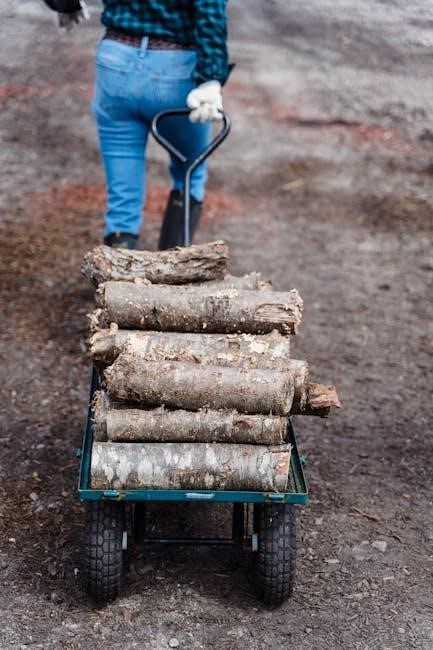
Staying informed about these dates, through the PDF maps, is essential for responsible and lawful firewood gathering in WA.
Available Firewood Collection Maps (PDF Format)
The Department of Biodiversity, Conservation and Attractions (DBCA) provides comprehensive firewood collection maps for Western Australia, readily accessible in PDF format. These maps are crucial for identifying designated collection areas and understanding specific regulations.
A key resource is the Donnelly Firewood document, a 14.36 MB PDF last updated on 03-04-2024, offering detailed information for the Donnelly region. These PDF maps are typically available for download from the WA.GOV.AU website, ensuring easy access for all residents.
The 2024 maps delineate permitted zones, prohibited areas, and any specific restrictions applicable to each location. They also often include information on sustainable collection practices and approved firewood species.
Downloading and reviewing these PDF resources before commencing collection is highly recommended to ensure compliance with all current regulations and promote responsible forest management in WA.
Key Regions Covered by the Maps
The firewood collection maps for Western Australia in 2024 provide coverage across several key regions, each with its own specific regulations and permitted collection areas. Primary focus areas include the South West Region, known for its diverse forests, and the Wheatbelt Region, offering access to woodlands.
The Goldfields-Esperance Region is also extensively mapped, catering to residents in more remote areas. These PDF resources detail specific zones within each region where firewood collection is permitted, alongside any limitations on quantity or species.

The Donnelly Firewood PDF (14.36 MB, updated 03-04-2024) specifically addresses collection within the Donnelly area. WA.GOV.AU provides access to these regional maps, ensuring residents can easily find information relevant to their location.
Understanding which region you are collecting in is vital for adhering to local rules and promoting sustainable firewood harvesting practices throughout WA.
South West Region Firewood Maps
The South West Region of Western Australia boasts detailed firewood collection maps for 2024, available in PDF format. These maps pinpoint designated areas within state forests and crown land where residents can sustainably gather firewood.

These resources clearly illustrate permitted zones, often differentiating between areas allowing collection of fallen branches versus downed timber. The maps also highlight exclusion zones, such as national parks and conservation areas, where collection is strictly prohibited.
Accessing these PDF guides via WA.GOV.AU is crucial for understanding specific regulations regarding species, quantities, and permitted tools within the South West Region.
The Donnelly Firewood PDF (updated 03-04-2024) may contain supplementary information relevant to specific areas within the South West. Responsible collection, guided by these maps, ensures the long-term health of the region’s forests.
Wheatbelt Region Firewood Maps
Firewood collection maps for the Wheatbelt Region of Western Australia, in convenient PDF format, are essential for responsible harvesting in 2024. These maps delineate approved collection areas within state forests and crown land, catering to the unique landscape of the region.
Due to the drier conditions prevalent in the Wheatbelt, these maps often emphasize the importance of leaving sufficient habitat for native fauna. They clearly indicate areas where collection is permitted, specifying allowable timber types and quantities.
Accessing these PDF guides through WA.GOV.AU provides crucial details on seasonal restrictions and any specific local regulations impacting firewood gathering. The Donnelly Firewood PDF (updated 03-04-2024) may offer supplementary details.
Understanding these maps is vital for sustainable practices, ensuring the preservation of the Wheatbelt’s fragile ecosystems while providing access to a valuable resource.
Goldfields-Esperance Region Firewood Maps
Firewood collection maps for the Goldfields-Esperance Region of Western Australia, available as PDF downloads for 2024, are crucial for legal and sustainable harvesting. These maps pinpoint designated areas within state forests and crown land where firewood gathering is permitted.
The Goldfields-Esperance region presents unique challenges due to its diverse ecosystems, ranging from woodlands to mallee scrublands. Consequently, the maps often highlight specific species suitable for collection and emphasize the need to protect vulnerable vegetation.
Accessing these PDF resources via WA.GOV.AU provides essential information regarding seasonal closures, quantity limits, and any localized regulations impacting firewood collection. The Donnelly Firewood PDF (last updated 03-04-2024) may contain additional relevant details.
Careful interpretation of these maps is paramount to ensure responsible harvesting and the long-term health of this ecologically significant region.
Interpreting the Firewood Collection Maps
Firewood collection maps, typically available as PDF documents for 2024 in Western Australia, require careful interpretation to ensure compliance with regulations. These maps utilize color-coding and symbols to delineate permitted collection zones, restricted areas, and specific species allowances.
Understanding the legend is paramount; it clarifies what each symbol represents, including road networks, forest types, and boundaries of designated collection areas. Pay close attention to any notations regarding seasonal closures or quantity limits, as these vary by region.
The maps often indicate approved firewood species, helping collectors avoid harvesting protected vegetation. Resources like the Donnelly Firewood PDF (updated 03-04-2024) can supplement map information with species identification guides.

Always cross-reference the map with current regulations on WA.GOV.AU to confirm the latest guidelines before commencing collection.
Permitting Requirements for Firewood Collection
Firewood collection in Western Australia often necessitates a permit, even when utilizing 2024 maps for designated collection areas. Permit requirements vary depending on the land management agency – primarily the Department of Biodiversity, Conservation and Attractions (DBCA).
Generally, permits specify collection quantities, authorized areas (as indicated on the PDF maps), and valid collection periods. Some regions may require online applications, while others involve contacting local DBCA offices.
It’s crucial to understand that collecting firewood without a valid permit, or exceeding permit conditions, constitutes illegal activity and can incur substantial penalties. The Donnelly Firewood resource (last updated 03-04-2024) often links to relevant permitting information.
Always check the WA.GOV.AU website or contact DBCA directly to ascertain the specific permit requirements for your intended collection location before gathering any firewood.
Sustainable Firewood Collection Practices

Sustainable firewood collection is paramount in Western Australia, ensuring the long-term health of our forests and woodlands. Utilizing 2024 firewood collection maps helps identify designated areas where collection is permitted, minimizing environmental impact.
Practices include collecting only fallen branches and deadwood, avoiding damage to living trees. Limiting collection quantities to permit allowances is vital, as is scattering collected debris to promote decomposition and nutrient cycling.
Avoid creating new tracks or disturbing sensitive habitats. The Donnelly Firewood resource (updated 03-04-2024) emphasizes responsible collection. Prioritize smaller pieces and leave larger logs for habitat.
By adhering to these guidelines, and referencing the PDF maps for approved zones, collectors contribute to the preservation of WA’s natural resources for future generations.
Approved Firewood Species in WA
Western Australia’s 2024 firewood collection maps delineate areas where gathering is permitted, and implicitly guide collectors towards approved species. While specific species listings vary by region, commonly approved woods include various eucalyptus (gum) types, wandoo, and salmon gum.
The Department of Biodiversity, Conservation and Attractions (DBCA) regulates which species can be collected, prioritizing those from fallen trees and branches. The Donnelly Firewood resource, last updated April 3, 2024, provides regional guidance.
Avoid collecting firewood from protected or rare species. The PDF maps often indicate areas where specific species are prevalent, aiding in informed selection.
Understanding wood density and burning characteristics is also crucial. Responsible collection, guided by the maps and DBCA regulations, ensures sustainable harvesting of approved firewood species throughout WA.
Equipment Needed for Safe and Efficient Collection
Utilizing the 2024 firewood collection maps WA effectively requires appropriate equipment for both safety and efficiency. Essential gear includes a sturdy vehicle with good ground clearance for accessing collection areas, as indicated on the PDF guides.
Personal protective equipment (PPE) is paramount: wear durable gloves, long sleeves, long pants, and sturdy boots to protect against cuts, scratches, and potential snake bites. A hard hat is recommended when working under trees.
For processing wood, a chainsaw (with appropriate safety features and training), an axe, or a splitting maul are vital. Rope or straps are useful for securing loads.
Always carry a first-aid kit, a mobile phone for emergencies, and plenty of water. Referencing the WA government resources alongside the maps ensures preparedness for a safe and productive collection experience.
Safety Considerations When Collecting Firewood
When utilizing the 2024 Firewood Collection Maps WA (PDF format), prioritize safety. Remote areas can present hazards; inform someone of your location and expected return time. Be aware of changing weather conditions, especially during bushfire season.
The maps indicate collection zones, but terrain can be uneven. Wear appropriate footwear and be cautious of fallen branches and hidden obstacles. Watch out for snakes, spiders, and other wildlife – maintain a safe distance.
When operating machinery like chainsaws or axes, adhere to all safety guidelines. Ensure tools are well-maintained and used correctly. Never work alone.
Be mindful of fire restrictions and regulations outlined by the WA government; Avoid creating sparks or open flames, and have a fire extinguisher or water readily available. Responsible collection, guided by the maps, minimizes risks.
Potential Penalties for Illegal Firewood Collection
Ignoring regulations detailed within the 2024 Firewood Collection Maps WA (PDF guides) can result in significant penalties. Illegal firewood collection in Western Australia is taken seriously by the Department of Biodiversity, Conservation and Attractions (DBCA).
Penalties can include substantial fines, potentially reaching thousands of dollars, depending on the severity of the offense. Repeat offenders may face even harsher consequences, including prosecution and impoundment of vehicles and equipment used in the illegal activity.
Furthermore, individuals found collecting firewood in prohibited areas, exceeding collection limits, or failing to comply with permit conditions risk legal action. The maps clearly delineate permitted zones and quantities.
Always refer to the latest PDF documentation and adhere to all guidelines to avoid costly fines and legal repercussions. Responsible collection, guided by official WA resources, is crucial.
Resources for Reporting Illegal Activity
Protecting Western Australia’s forests requires vigilance. If you witness illegal firewood collection while referencing the 2024 Firewood Collection Maps WA (PDF format), reporting it is crucial. The Department of Biodiversity, Conservation and Attractions (DBCA) encourages public assistance.
You can report suspected illegal activity through several channels. The DBCA’s Wildcall hotline is available for immediate reporting. Online reporting forms are accessible via the WA.GOV.AU website, providing a detailed submission option.

When reporting, provide as much information as possible, including the location (referencing the map if possible), time of the incident, vehicle details, and a description of the activity. Accurate details aid investigations.
Your contribution helps ensure sustainable firewood collection practices and protects WA’s valuable natural resources. Utilizing the PDF guides responsibly and reporting violations supports forest conservation efforts.
Alternative Firewood Sources in Western Australia
While the 2024 Firewood Collection Maps WA (PDF) guide responsible gathering, exploring alternative firewood sources is beneficial. Reliance solely on wild collection can strain forest ecosystems.
Commercial firewood suppliers offer a sustainable option, providing seasoned wood ready for burning. These suppliers adhere to regulations and contribute to forest management. Numerous businesses throughout WA sell firewood, often delivering directly to your property.
Consider utilizing wood waste from pruning or tree removal services. This repurposes materials that would otherwise be discarded. Recycled wood products, like wood pellets, are also environmentally friendly alternatives.
By diversifying your firewood sources, you reduce pressure on native forests and support sustainable practices. Referencing the PDF maps alongside these alternatives promotes responsible heating solutions in Western Australia.
Updates and Changes to Regulations for 2025
Although the 2024 Firewood Collection Maps WA (PDF) remain current, anticipating regulatory shifts for 2025 is crucial for responsible collection. The Department of Biodiversity, Conservation and Attractions (DBCA) frequently reviews and updates guidelines.
Potential changes may involve adjusted collection seasons, altered permitted species lists, or modifications to designated collection areas. Staying informed through official DBCA channels – their website (wa.gov.au) – is paramount.
Expect possible refinements to permitting requirements, potentially incorporating digital application processes. Increased enforcement of illegal collection activities is also anticipated, emphasizing the importance of adhering to regulations.
Reviewing the latest PDF map updates and DBCA announcements before the 2025 season begins will ensure compliance and contribute to sustainable forest management in Western Australia. Proactive awareness is key.