

Drill Guides for Portable Drills: A Comprehensive Overview (12/24/2025 17:38:07)
Portable drill guides bridge the gap between hand drills and drill presses, offering accuracy for various applications like woodworking and metalworking.
Fabricators and contractors now have several types and sizes of portable magnetic drills to choose from, enhancing holemaking precision.
Rockler’s portable drill guide replicates drill press control, enabling drilling at angles from 0 to 60 degrees with adjustable depth stops.
Indexable insert drills excel in high-production environments, efficiently removing material during large-diameter hole drilling.
Understanding drill types – impact drills versus drill drivers – is crucial for selecting the right tool for specific drilling tasks.
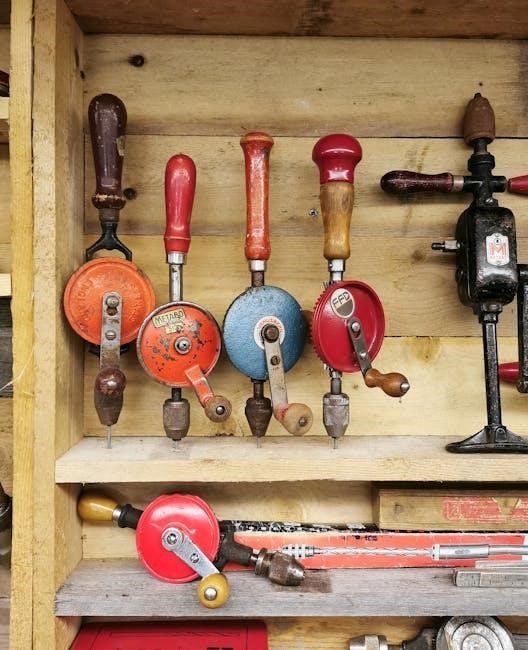
Portable drill guides represent a significant advancement in precision drilling, offering a compelling alternative to stationary drill presses. These guides effectively transform a standard portable drill into a more accurate and controlled tool, suitable for diverse projects. They address the need for precise hole placement when working on-site or with materials too large for a drill press.
Essentially, they bridge the gap, providing enhanced control and repeatability, crucial for both professional fabricators and dedicated DIY enthusiasts. They are invaluable when machine access is limited.
What are Drill Guides and Why Use Them?
Drill guides are tools designed to improve the accuracy and consistency of holes drilled with portable drills. They typically consist of bushings or sleeves that constrain the drill bit, preventing wandering and ensuring straight, precise holes. Utilizing these guides is essential when a drill press isn’t accessible or practical.
They minimize errors, increase efficiency, and are particularly beneficial for repetitive drilling tasks, offering a level of control comparable to stationary machines.
Types of Portable Drill Guides
Portable drill guides encompass several designs to suit diverse needs. Bushings and sleeves offer basic accuracy, while V-groove guides facilitate angled drilling. More complex drill guide jigs provide exceptional repeatability for consistent hole placement. These jigs often feature adjustable settings and depth stops.
The choice depends on the project’s precision requirements and the frequency of similar drilling operations, ranging from simple to sophisticated solutions.
Bushings and Sleeves for Accuracy
Bushings and sleeves represent the simplest form of drill guide, enhancing accuracy by minimizing drill bit wander. These guides, often made of metal or hardened plastic, fit around the drill bit, providing a consistent path. They are ideal for basic drilling tasks where high precision isn’t paramount, offering a cost-effective solution.
Their ease of use makes them suitable for beginners and quick projects.
V-Groove Drill Guides for Angle Drilling
V-Groove drill guides excel at creating angled holes, a common requirement in woodworking and construction. These guides feature a V-shaped groove that aligns with the drill bit, allowing for consistent and repeatable angled drilling. Rockler’s portable drill guide, for example, drills at angles up to 60 degrees.
They are particularly useful for projects needing precise angled connections.
Drill Guide Jigs for Repeatability
Drill guide jigs are designed for projects demanding multiple, precisely placed holes. These jigs often feature bushings or sleeves to ensure accuracy and consistency. They’re invaluable when creating dowel holes, mortises, or any application requiring identical hole placement across multiple workpieces.
Rockler’s guide offers this repeatability, mimicking a drill press’s control.
Materials Used in Drill Guide Construction
Drill guides utilize diverse materials, primarily metals and plastics, each offering unique advantages. Metal drill guides prioritize durability and precision, ideal for demanding applications and frequent use. Conversely, plastic drill guides offer a lightweight and cost-effective solution, suitable for less intensive projects.
The choice depends on project needs and budget.
Metal Drill Guides: Durability and Precision
Metal drill guides, often constructed from steel or aluminum, excel in demanding applications requiring consistent accuracy. Their robust build ensures longevity and resistance to wear, making them suitable for professional workshops and frequent use. The inherent rigidity of metal minimizes deflection during drilling, guaranteeing precise hole placement.
They are a worthwhile investment for serious users.
Plastic Drill Guides: Lightweight and Cost-Effective
Plastic drill guides, typically made from durable polymers, offer a lightweight and budget-friendly alternative to metal options. These guides are ideal for DIY enthusiasts and less demanding tasks where extreme precision isn’t paramount. Their reduced weight enhances portability and ease of handling, simplifying setup and operation.

They are perfect for hobbyists and quick jobs.
Choosing the Right Drill Guide for Your Project
Selecting the appropriate drill guide hinges on your project’s demands. For woodworking, consider guides offering angle adjustments and depth control, like Rockler’s models. Metalworking benefits from robust metal guides ensuring precision and durability. Evaluate hole size, material type, and required accuracy.
Prioritize guides compatible with your drill bits and workpiece.
Considerations for Woodworking Applications
Woodworking demands versatility; therefore, drill guides with adjustable angles (0-60 degrees, as seen in Rockler guides) are invaluable. Depth stops are crucial for consistent, repeatable holes, especially when creating dowel holes or mortises. Lightweight plastic guides suffice for softer woods, while metal guides offer stability for hardwoods.
Ensure compatibility with various drill bit types.
Considerations for Metalworking Applications
Metalworking necessitates robustness and precision. Metal drill guides are paramount, offering the durability needed for harder materials. Portable magnetic drills become essential when machine access is limited. Accurate hole placement is critical, demanding guides minimizing drill bit wandering; Consider the material thickness and select appropriate drill bit types – twist bits are common.
High production environments benefit from indexable insert drills.
Popular Drill Guide Brands and Models

Rockler Drill Guides are lauded for replicating drill press accuracy with hand drill portability, featuring angle adjustments up to 60 degrees and depth stops for consistent results. Kreg Drill Guides prioritize versatility and user-friendliness, often included in comprehensive drilling and joinery systems.
Both brands cater to diverse project needs, offering solutions for both beginners and experienced users.
Rockler Drill Guides: Features and Reviews

Rockler’s portable drill guides boast a robust design, enabling precise drilling at angles ranging from 0 to 60 degrees. Users consistently praise the integrated depth stop, facilitating repeatable hole creation. Reviews highlight the guide’s ability to transform a standard drill into a nearly drill-press-level tool.

However, some users note a learning curve for optimal setup and securing the guide effectively.
Kreg Drill Guides: Versatility and Ease of Use
Kreg drill guides are renowned for their user-friendly design and adaptability across diverse projects. Many reviews emphasize the quick setup and secure workpiece clamping, simplifying accurate drilling. Kreg systems often integrate seamlessly with their popular jig and fixture range, enhancing project workflow.
Some users mention limitations with extremely angled drilling scenarios.
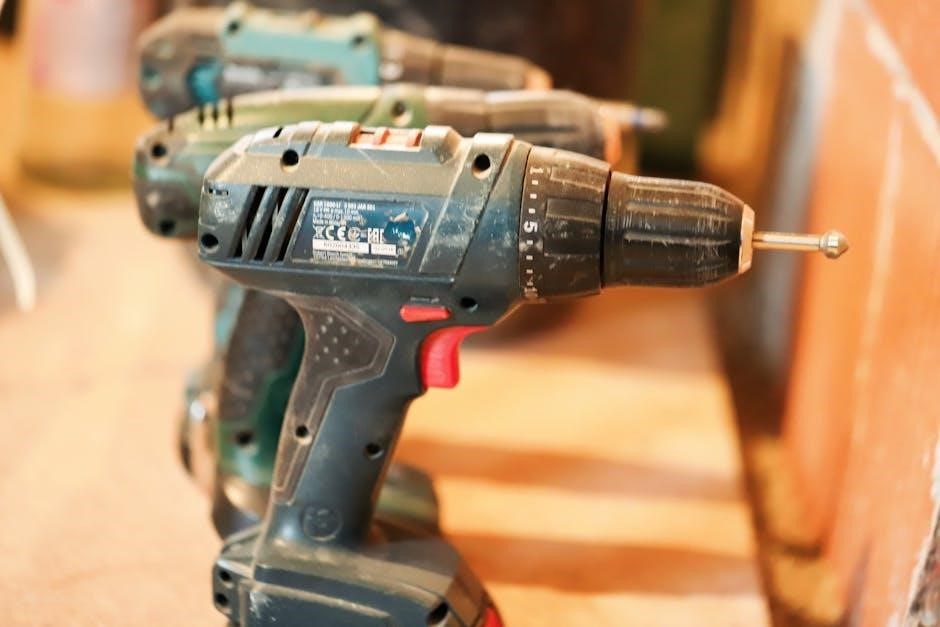
Using a Portable Drill Guide: Step-by-Step Instructions
First, prepare your workpiece and select the appropriate drill guide for the task. Next, securely attach the guide to the material, ensuring a firm grip to prevent movement during drilling. Then, choose the correct drill bit size and type. Finally, carefully drill, maintaining consistent pressure and following the guide’s alignment features for precise results.
Preparing the Workpiece and Drill Guide
Begin by ensuring the workpiece is clean, flat, and securely supported. Next, select a drill guide compatible with your drill and the material’s thickness. Inspect the guide for any debris or damage, cleaning it if necessary. Confirm the drill bit aligns properly within the guide’s bushing or sleeve before proceeding, guaranteeing accurate hole placement and minimizing wandering.
Securing the Drill Guide to the Workpiece
Proper clamping is essential for accurate drilling. Utilize clamps or a vise to firmly attach the drill guide to the workpiece, preventing movement during operation. Ensure the guide remains flush against the surface, avoiding gaps that could cause misalignment. Double-check the stability before drilling, as any shifting will compromise hole precision and potentially damage the material.
Drill Bit Compatibility with Drill Guides
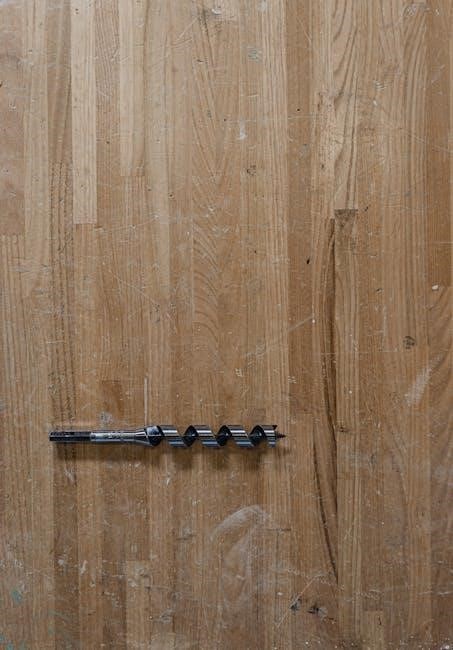
Selecting the correct drill bit size is paramount for precise results when using a drill guide. Compatibility extends to bit types; twist bits are versatile, while spade bits excel in larger holes, and Forstner bits create clean, flat-bottomed openings. Ensure the bit shank fits securely within the guide’s bushing, preventing wobble and maintaining accuracy throughout the drilling process.
Choosing the Correct Drill Bit Size
Accurate hole size relies on selecting the appropriate drill bit. Match the bit diameter precisely to the desired hole dimension specified in your project plans. Consider the material; harder materials may require smaller starting bits and gradual increases. Always double-check measurements before drilling, as incorrect sizing can compromise the project’s integrity and necessitate rework.
Using Different Drill Bit Types (Twist, Spade, Forstner)
Twist bits are versatile for general-purpose drilling in wood and metal. Spade bits create larger diameter holes quickly in wood, but with less precision. Forstner bits produce clean, flat-bottomed holes ideal for woodworking joinery. Selecting the correct bit type ensures optimal performance and hole quality, maximizing drill guide effectiveness.
Maintaining and Caring for Your Drill Guide
Regular cleaning after each use prevents debris buildup, ensuring smooth operation. Lubrication of moving parts maintains precision and extends the guide’s lifespan. Inspect bushings and sleeves for wear, replacing them when necessary. Promptly address any damage to maintain accuracy and prevent further issues, safeguarding your investment in quality drilling.
Cleaning and Lubrication
Post-use cleaning is vital; remove metal shavings and dust with a brush or compressed air to prevent binding. Apply a light machine oil to bushings and sliding surfaces, ensuring smooth movement; Avoid harsh solvents that could damage plastic components. Regular lubrication minimizes friction, extending the drill guide’s life and maintaining accuracy during operation.
Inspecting for Wear and Damage
Regularly examine the drill guide for loose screws, cracks, or bent components. Check bushings for excessive play, indicating wear. Inspect the drill guide’s base for flatness and ensure secure clamping mechanisms function correctly. Replace worn or damaged parts promptly to maintain accuracy and prevent potential safety hazards during drilling operations.
Advanced Techniques with Drill Guides
Mastering drill guides allows for precise angled drilling, expanding project possibilities beyond simple perpendicular holes. Utilize guides to consistently create accurate dowel holes for strong joinery. Employ specialized jigs with drill guides to efficiently create mortises, essential for furniture construction. These techniques elevate woodworking and metalworking precision.
Drilling at Angles with Precision
Achieving angled holes requires a drill guide capable of tilting, like Rockler’s model offering 0-60 degree adjustments. Securely clamp the guide and workpiece, ensuring stability during angled drilling. Slow, consistent pressure prevents bit wandering. Verify the angle with a protractor before starting. Precise angle drilling expands design options, enabling complex projects and professional results.
Creating Dowel Holes and Mortises
Drill guides significantly aid in creating accurate dowel holes for strong, aligned joints. Utilize bushings within the guide for consistent hole diameters. For mortises, employ a specialized jig or multiple passes with a Forstner bit, guided for clean removal. Precise alignment is crucial; guides minimize tear-out and ensure tight-fitting joints, enhancing woodworking projects’ structural integrity.
Safety Precautions When Using Drill Guides
Always wear safety glasses to protect against flying debris during drilling operations. Gloves enhance grip and shield hands. Securely clamp the workpiece and drill guide to prevent movement, minimizing risk. Avoid loose clothing and jewelry. Disconnect power before adjustments. Inspect guides for damage before each use. Prioritize a stable setup for controlled, safe drilling.
Wearing Safety Glasses and Gloves
Safety glasses are paramount; drilling generates metal or wood chips posing serious eye hazards. Choose impact-resistant lenses for full protection. Gloves improve grip, crucial for guiding the drill accurately and preventing slippage. They also offer a barrier against sharp edges and potential abrasions. Prioritize durable gloves offering dexterity and protection during operation.
Proper Workpiece Clamping
Securely clamping the workpiece is non-negotiable when using drill guides. Movement during drilling leads to inaccurate holes and potential injury. Utilize clamps appropriate for the material and shape, ensuring a firm, stable hold; Avoid hand-holding; clamps provide consistent pressure and free your hands for drill guide operation. A stable setup guarantees precision.
Troubleshooting Common Drill Guide Issues
Drill bit wandering often stems from inadequate workpiece clamping or a dull drill bit. Ensure a firm grip and sharp cutting edges. Inaccurate hole placement can result from improper drill guide alignment or a loose fit. Double-check guide positioning and tighten all securing mechanisms before initiating drilling. Consistent checks prevent errors.
Drill Bit Wandering
Drill bit wandering frequently occurs due to insufficient workpiece clamping, allowing movement during operation. A dull or worn drill bit exacerbates this issue, lacking the sharp edge needed for a clean start. Verify the drill guide is securely fastened and the bit is appropriate. Employing slower speeds and consistent pressure minimizes deviation, ensuring accurate hole creation.
Inaccurate Hole Placement

Inaccurate hole placement often stems from improper drill guide alignment with the marked workpiece location. Double-check measurements and ensure the guide is firmly secured before drilling. A loose connection between the drill and guide contributes to misalignment. Regularly inspect bushings and sleeves for wear, as they impact precision. Careful setup is paramount for repeatable results.
The Evolution of Drill Guide Technology
Drill guide technology has progressed from simple bushings offering basic alignment to sophisticated jigs providing enhanced control and repeatability. Early guides focused on preventing bit wandering; modern designs incorporate features like angle adjustments and depth stops. The shift reflects a demand for precision mirroring drill presses, but with portability. Innovations continue, potentially integrating laser guidance for even greater accuracy.
From Simple Bushings to Sophisticated Jigs
Initially, drill guides consisted of basic bushings, primarily preventing drill bit wandering and offering minimal alignment assistance. These evolved into sleeves, enhancing accuracy slightly. Contemporary jigs represent a significant leap, featuring adjustable angles (up to 60 degrees, as seen in Rockler models), depth control, and secure workpiece clamping. This progression mirrors the functionality of stationary drill presses, but maintains portability.
Drill Guides vs. Drill Presses: A Comparison
Drill presses offer stationary precision, ideal for demanding applications, while drill guides prioritize portability. Guides, like those from Rockler, aim to replicate drill press accuracy in the field. Though guides enhance control, they generally don’t match the absolute stability of a press. The choice depends on project needs: stationary work favors presses, while on-site tasks benefit from guide convenience.
Portability vs. Stationary Precision
Portable drill guides excel where drill presses can’t go, offering convenience for fieldwork and projects requiring movement. However, stationary drill presses inherently provide superior rigidity and precision. Guides attempt to mimic press accuracy, but inherent movement exists. Consider the trade-off: mobility with guides versus unwavering stability for critical, exacting work. The application dictates the optimal choice.
The Role of Drill Guides in Production Environments
Drill guides significantly enhance efficiency in production settings by minimizing errors and ensuring consistent hole placement. Utilizing guides, especially with indexable insert drills for larger diameters, accelerates workflows. They reduce rework, saving both time and materials. This is crucial for maintaining quality control and meeting production quotas, particularly when precision is paramount.
Increasing Efficiency and Reducing Errors
Drill guides streamline production by guaranteeing accurate hole placement, drastically reducing costly errors and material waste. Employing guides, particularly in repetitive tasks, boosts operational speed and consistency. This minimizes rework, freeing up skilled labor for more complex operations. The precision offered by guides, even with portable drills, elevates overall production efficiency.
Future Trends in Drill Guide Design
Emerging drill guide designs will likely integrate laser guidance systems for pinpoint accuracy and automated alignment, minimizing human error. Expect smarter guides with digital angle readouts and programmable depth stops. Further innovation may involve adaptive guides that automatically adjust to material variations. The trend leans towards increased automation and connectivity, enhancing precision and user experience.
Integration with Laser Guidance Systems
Laser guidance integration promises a revolution in drill guide accuracy, projecting a precise drilling point onto the workpiece. This technology minimizes wandering and ensures perfect hole placement, even on challenging materials. Future systems may feature automatic laser calibration and real-time feedback, adapting to surface irregularities. Expect enhanced safety features and improved efficiency for both professionals and DIY enthusiasts.
Where to Buy Drill Guides
Drill guides are readily available through diverse retail channels. Online retailers like Amazon and specialized woodworking stores offer extensive selections and competitive pricing. Local hardware stores, including Home Depot and Lowe’s, provide immediate access and expert advice. Rockler and Kreg, prominent brands, sell directly through their websites and authorized dealers. Comparing prices and reading customer reviews is recommended before purchasing.
Online Retailers and Local Hardware Stores
Online retailers, such as Amazon, provide a vast selection of drill guides with customer reviews for informed decisions. Local hardware stores, like Home Depot and Lowe’s, offer immediate availability and personalized assistance. Rockler and Kreg also sell online and through authorized dealers. Comparing prices and shipping costs is crucial when choosing between online and brick-and-mortar options.
DIY Drill Guide Projects
Constructing a simple wooden drill guide is achievable with basic woodworking skills and materials. Utilizing plywood or hardwood, create a base with accurately drilled bushings to guide the drill bit. This cost-effective approach provides improved accuracy for repetitive tasks. Online resources offer plans and tutorials for various designs, allowing customization based on project needs and available tools.
Building a Simple Wooden Drill Guide
Begin with a sturdy wooden base, ideally plywood or hardwood, ensuring flatness. Precisely drill holes using a drill press (if available) or carefully with a handheld drill, incorporating bushings for bit guidance. Securely attach the base to your workpiece with clamps. This DIY guide enhances accuracy for repetitive drilling, offering a budget-friendly alternative to commercial options.
Understanding Indexable Insert Drills
Indexable insert drills are designed for efficiently creating large-diameter holes in production settings. These drills utilize replaceable cutting inserts, extending tool life and reducing costs compared to solid carbide drills. They excel at aggressive material removal while maintaining precision. The inserts’ geometry optimizes chip evacuation, crucial for deep hole drilling and overall performance.
Benefits for Large-Diameter Holes
Indexable insert drills significantly benefit large-diameter hole creation due to their robust construction and replaceable cutting edges. They handle aggressive material removal efficiently, minimizing heat buildup and improving surface finish. The modular design allows for quick insert changes, reducing downtime. These drills maintain accuracy and stability, crucial for consistent results in demanding applications.
Drill and Drill Bit Types Overview
Numerous drill and drill bit types exist, potentially overwhelming even experienced DIY enthusiasts. Impact drills deliver rotational force with concussive blows, ideal for tougher materials; Conversely, drill drivers offer adjustable torque for screw driving and lighter drilling. Understanding these distinctions, alongside bit types like twist, spade, and Forstner, is vital for optimal performance and preventing damage to both the drill and workpiece.
Impact Drills vs. Drill Drivers

Impact drills and drill drivers, though similar, serve distinct purposes. Impact drills utilize both rotation and hammering action, excelling at drilling into hard materials like concrete or thick metal. Drill drivers prioritize controlled torque for screw driving and lighter drilling in wood or plastic. The gun mouth of an impact drill is fixed, while a drill driver’s is adjustable.