
Dog Harness Size Guide: A Comprehensive Plan (Updated 02/27/2026)
Ensuring a comfortable and secure fit is paramount for your canine companion; this detailed guide provides essential steps for accurate dog harness sizing‚ promoting safety and well-being․
Understanding the Importance of Correct Harness Sizing
Choosing the right size dog harness extends far beyond mere convenience; it’s fundamentally linked to your dog’s comfort‚ safety‚ and overall well-being during walks and outdoor adventures․ A properly fitted harness distributes pressure evenly across your dog’s chest‚ minimizing strain on their neck – a significant advantage over traditional collars‚ especially for breeds prone to tracheal issues․
Incorrect sizing can lead to a multitude of problems․ A harness that’s too tight restricts movement‚ causes chafing‚ and can even impede breathing․ Conversely‚ a harness that’s too loose allows your dog to potentially slip free‚ creating a dangerous situation․ Accurate measurements‚ as detailed in this guide‚ are therefore crucial․ Prioritizing a secure‚ comfortable fit ensures a positive walking experience for both you and your furry friend‚ fostering a stronger bond and encouraging enjoyable outings․
Why a Properly Fitted Harness Matters
A well-fitted dog harness offers numerous benefits beyond simply keeping your pet leashed․ It promotes better control during walks‚ reducing pulling and making training more effective‚ particularly with front-clip harnesses designed for no-pull functionality․ This is especially valuable for energetic or strong breeds․
Furthermore‚ a correctly sized harness safeguards your dog from potential injury․ By distributing pressure across the chest‚ it minimizes the risk of neck strain or tracheal damage‚ common concerns with collar-only use․ It also prevents chafing and rubbing‚ protecting sensitive skin under the arms․ A secure fit ensures your dog can’t escape‚ preventing potentially dangerous situations․ Ultimately‚ a properly fitted harness contributes to a more comfortable‚ safe‚ and enjoyable experience for your canine companion‚ enhancing your bond and promoting responsible pet ownership․
Potential Problems with Incorrect Sizing
Incorrect harness sizing can lead to a range of issues‚ impacting your dog’s comfort and safety․ A harness that’s too small restricts movement‚ causing chafing and potentially damaging sensitive skin under the arms or in the armpit area․ This discomfort can manifest as reluctance to walk or even visible irritation․
Conversely‚ a harness that’s too large poses an escape risk‚ allowing your dog to slip free during walks‚ creating a dangerous situation․ It can also rub and cause sores‚ and doesn’t provide adequate control․ Ill-fitting harnesses can also exacerbate existing medical conditions or contribute to new ones‚ like pressure sores․ Prioritizing accurate measurement and selecting the appropriate size is crucial to avoid these problems and ensure your dog’s well-being during every adventure․
Step-by-Step Measurement Guide
Accurate measurements of your dog’s neck and chest are essential for selecting the correct harness size‚ ensuring both comfort and security during walks․
Tools You’ll Need for Accurate Measurement
Preparing for a successful measurement requires only a few simple tools readily available in most households․ A soft measuring tape is absolutely essential; avoid using metal tapes as they can be inflexible and uncomfortable for your dog․ Flexibility is key to getting an accurate reading‚ especially around curves․
A helper can be incredibly beneficial‚ particularly with wiggly or anxious dogs‚ to keep them calm and still during the process․ While not strictly necessary‚ a second pair of hands can significantly improve accuracy․
Treats are highly recommended! Positive reinforcement will make the experience more pleasant for your dog and encourage cooperation․ Finally‚ a pen and paper or a note-taking app on your phone will be needed to record the measurements accurately․ Double-checking these numbers is crucial before ordering a harness․
Neck Measurement: Finding the Correct Spot
Accurately measuring your dog’s neck is the first step towards a properly fitted harness․ Locate the base of the neck‚ just below where a traditional collar would comfortably sit․ This is typically the narrower part of the neck‚ right above the shoulder blades․
Feel for your dog’s shoulders; the measurement point should be just before them․ Wrap the soft measuring tape snugly‚ but not tightly‚ around this area․ Ensure the tape is level and doesn’t twist․ Allow enough space to comfortably slide two fingers between the tape and your dog’s neck – this ensures it’s not too restrictive․
Record this measurement in inches or centimeters․ Remember‚ this measurement is crucial for determining the correct harness size‚ particularly for over-the-head styles․ Precise placement is key for comfort and safety․
Chest Girth Measurement: The Widest Point
Determining your dog’s chest girth is arguably the most important measurement for harness sizing․ Locate the widest part of your dog’s chest‚ typically behind the front legs․ This is where the harness will sit and needs to be measured accurately for a secure and comfortable fit․
Wrap a soft measuring tape around this area‚ ensuring it’s snug but not constricting․ Account for any thick fur – compress it gently to get a true measurement․ The tape should sit flat against the body‚ without being too tight or loose․
Record this measurement carefully‚ as it directly correlates to the harness size․ This measurement ensures the harness fits securely and doesn’t rub or chafe․ Always refer to the manufacturer’s sizing chart‚ as chest girth is a primary factor in determining the correct size․
Back Length Measurement (For Specific Harness Types)
Certain harness designs‚ particularly those covering a larger portion of the dog’s back‚ require a back length measurement for optimal fit․ This measurement is crucial for ensuring the harness doesn’t impede movement or cause discomfort․ Begin by locating the base of the neck‚ where the harness would start․
Extend the measuring tape along your dog’s back‚ to the point where you anticipate the harness ending – typically a few inches before the base of the tail․ Keep the tape measure level and follow the natural curve of the spine․
Record this length accurately‚ as it’s specific to harness styles needing full back coverage․ Consult the manufacturer’s sizing chart‚ as back length is a key determinant for these types of harnesses‚ guaranteeing a proper and comfortable fit․
Decoding Harness Sizing Charts
Understanding manufacturer variations and size ranges is vital; weight is a guide‚ but precise measurements are key to finding the perfect dog harness fit․
Manufacturer Variations in Sizing
Navigating dog harness sizing can be tricky due to inconsistencies between brands․ Each manufacturer employs unique sizing charts‚ meaning a size ‘Medium’ from one company might not equate to a ‘Medium’ from another․ This stems from differing design philosophies‚ materials used‚ and target dog breeds․
Therefore‚ relying solely on a previously purchased size is unreliable․ Always consult the specific sizing chart provided by the harness manufacturer before making a purchase․ These charts typically detail measurements for neck girth‚ chest girth‚ and sometimes back length․ Pay close attention to the units of measurement (inches or centimeters) and ensure accurate conversion if needed․
Furthermore‚ read customer reviews to gauge whether the harness tends to run small‚ large‚ or true to size․ This collective feedback can offer valuable insights beyond the official sizing chart․ Don’t hesitate to contact the manufacturer directly if you have any questions or require clarification regarding their sizing recommendations․
Understanding Size Ranges (Small‚ Medium‚ Large‚ etc․)
Generally‚ dog harnesses are categorized into size ranges like Small‚ Medium‚ Large‚ and Extra-Large‚ but these are broad approximations․ A ‘Small’ harness typically suits dogs with a chest girth between 13-17 inches‚ while ‘Medium’ fits chests ranging from 17-21 inches․ ‘Large’ usually accommodates 21-25 inch chests‚ and ‘Extra-Large’ is for chests exceeding 25 inches․
However‚ these ranges are merely guidelines․ A dog’s breed and build significantly influence the appropriate size․ For instance‚ a muscular dog might require a larger size than a slender dog with the same chest measurement․ Always prioritize actual measurements over relying solely on the size label․
Remember to measure your dog each time‚ as weight fluctuations can affect the fit․ If your dog falls between sizes‚ it’s generally recommended to size up for greater comfort and adjustability․ A slightly larger harness is preferable to one that’s too constricting․
Weight vs․ Measurements: Which is More Important?
While a dog’s weight can offer a preliminary idea of harness size‚ relying solely on weight is often inaccurate․ Dogs of the same weight can have vastly different body shapes and chest dimensions․ A lean Greyhound will require a different size than a stocky Bulldog‚ even if they weigh the same․
Precise measurements – specifically chest girth and neck circumference – are far more crucial for a proper fit․ These measurements directly correlate to the harness’s structural requirements․ Weight is a general indicator‚ but it doesn’t account for individual variations in build․
Always prioritize measurements over weight when selecting a harness․ Use the manufacturer’s sizing chart based on girth and neck size‚ and don’t hesitate to size up if your dog is between sizes or has a particularly broad chest․ A well-fitted harness ensures comfort and safety․
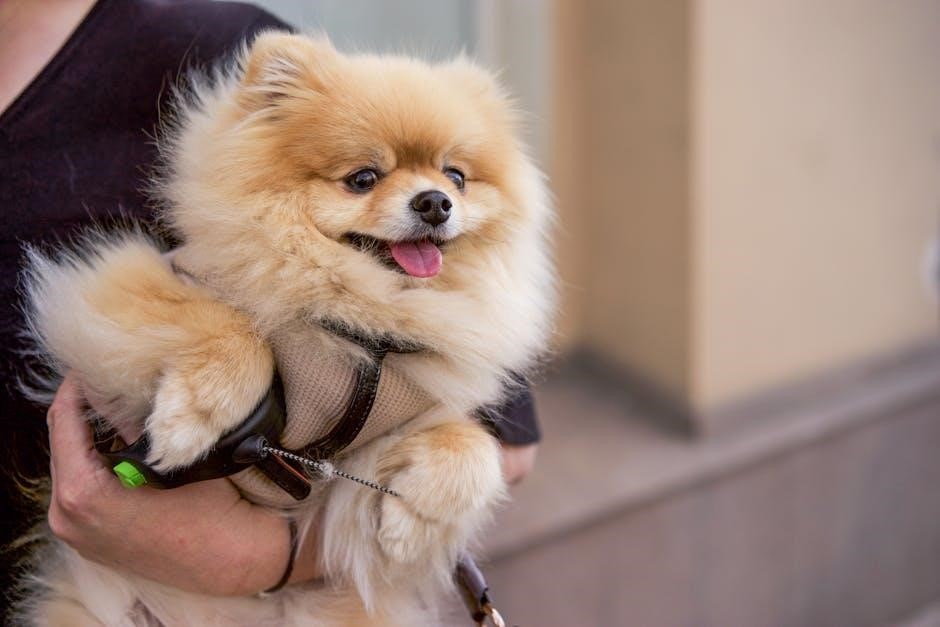
Types of Dog Harnesses and Their Sizing Considerations
Different harness designs—back-clip‚ front-clip‚ step-in‚ over-the-head‚ and tactical—require unique measurement approaches to guarantee a secure and comfortable fit for your dog․
Standard Back-Clip Harnesses
Standard back-clip harnesses are among the most common and easiest to fit․ When measuring for this type‚ focus primarily on the chest girth‚ as the back strap length is usually adjustable to accommodate varying body lengths․ Ensure the girth measurement is taken at the widest point of your dog’s chest‚ just behind the front legs․
These harnesses typically have adjustable straps around the neck and chest․ After taking measurements‚ consult the manufacturer’s sizing chart‚ paying close attention to the girth range․ Remember that sizing can vary between brands‚ so always prioritize measurements over generalized size labels like “small” or “medium․”
A properly fitted back-clip harness should allow two fingers to comfortably slide between the harness and your dog’s body․ The back clip should sit high on the shoulders‚ avoiding any restriction of movement․ Regularly check for rubbing or chafing‚ especially during longer walks or activities․
Front-Clip Harnesses (No-Pull)
Front-clip‚ or no-pull‚ harnesses are designed to discourage pulling by redirecting your dog’s momentum․ Accurate sizing is even more critical with these‚ as a poor fit can diminish their effectiveness and cause discomfort․ Both chest girth and neck measurements are vital for a secure and functional fit․
When measuring‚ ensure the chest strap sits comfortably without constricting movement․ The front clip attachment point should be positioned correctly on the dog’s sternum to achieve the desired steering effect․ Again‚ always refer to the specific manufacturer’s sizing guide‚ as designs vary considerably․
Check that the harness doesn’t rub under the armpits or restrict shoulder movement․ A snug‚ but not tight‚ fit is essential․ Observe your dog’s gait while wearing the harness to ensure natural movement․ Proper adjustment of both chest and neck straps is crucial for optimal no-pull functionality․
Step-In Harnesses
Step-in harnesses are known for their ease of use‚ requiring your dog to simply step into the harness‚ and then securing it with buckles․ Accurate chest girth measurement is paramount for these designs‚ as the entire harness relies on a proper fit around the ribcage․ Neck measurements are still important‚ but secondary to the chest measurement․
Ensure the harness isn’t too loose‚ allowing it to slip off during walks‚ or too tight‚ restricting breathing or movement․ The buckles should fasten securely without causing pressure points․ Pay close attention to the placement of the straps to avoid rubbing under the front legs․
When fitting‚ confirm a comfortable range of motion and that the harness doesn’t impede your dog’s natural stride․ Always consult the manufacturer’s sizing chart‚ as step-in harness dimensions can differ significantly between brands․ A well-fitted step-in harness offers both convenience and security․
Over-the-Head Harnesses
Over-the-head harnesses typically feature a design where the harness slips over your dog’s head and then adjusts around the chest and potentially the belly․ Both neck and chest girth measurements are crucial for a secure and comfortable fit with this style․ The neck opening must be large enough to comfortably pass over the head without causing discomfort‚ but snug enough to prevent escape․
Chest straps should be adjusted to allow for two fingers to fit comfortably between the strap and the dog’s body․ Ensure the harness doesn’t restrict shoulder movement or cause chafing under the arms․ Pay attention to buckle placement and security․
Always refer to the specific sizing chart provided by the manufacturer‚ as designs vary․ A properly fitted over-the-head harness provides excellent control and security during walks‚ while prioritizing your dog’s comfort․
Tactical/Working Dog Harnesses
Tactical and working dog harnesses are built for durability and often feature MOLLE webbing for attaching pouches or identification․ Accurate sizing is even more critical with these harnesses‚ as they are frequently used for demanding activities․ Precise neck‚ chest‚ and back length measurements are essential‚ as these harnesses often distribute weight differently than standard designs․
These harnesses typically require a snug‚ but not restrictive‚ fit to allow for a full range of motion․ Ensure the harness doesn’t interfere with the dog’s gait or cause pressure points․ Check for proper adjustment of all straps‚ including those securing any attached equipment․
Consult the manufacturer’s sizing chart carefully‚ noting any specific recommendations for working dogs․ A well-fitted tactical harness enhances performance and protects your dog during work․
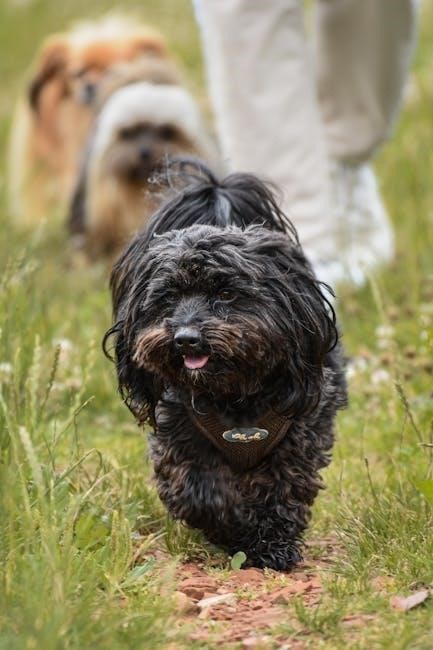
Adjusting the Harness for a Secure Fit
Proper adjustment of straps is vital for comfort and safety; ensure a snug‚ yet not restrictive‚ fit‚ allowing full range of motion for your canine friend․
Adjusting Neck Straps
Begin by loosening the neck straps completely before putting the harness over your dog’s head․ This prevents discomfort and allows for easier positioning․ Once the harness is in place‚ gently tighten the neck straps so that you can comfortably slide two fingers between the straps and your dog’s neck․
The goal is a secure fit that prevents the harness from slipping over the head‚ but isn’t so tight that it restricts breathing or causes chafing․ Regularly check the tightness‚ especially on puppies who are still growing․ Ensure the straps don’t dig into the skin or cause any visible discomfort․
Avoid over-tightening‚ as this can lead to irritation and even injury․ If you notice any redness or rubbing‚ immediately loosen the straps․ Remember‚ a properly adjusted neck strap should allow for comfortable movement without being loose enough for escape․
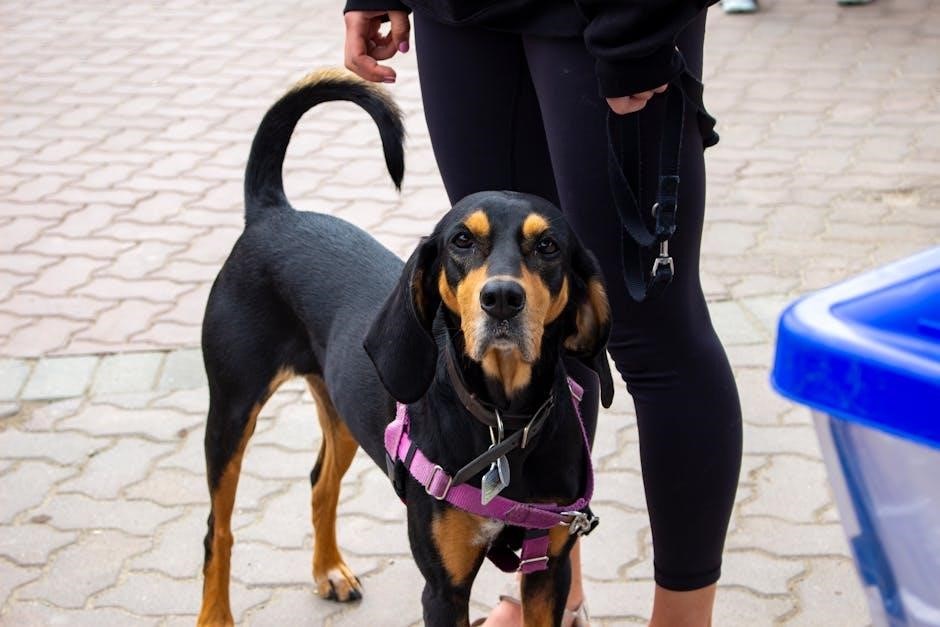
Adjusting Chest Straps
Once the neck straps are appropriately adjusted‚ focus on the chest straps․ These are crucial for securing the harness around your dog’s chest and preventing it from shifting during walks․ Begin by ensuring the straps lie flat against your dog’s body‚ just behind the front legs․
Tighten the chest straps gradually‚ checking for a snug but comfortable fit․ You should be able to slide two fingers between the straps and your dog’s chest․ Avoid over-tightening‚ which can restrict movement and cause discomfort․ Observe your dog’s reaction; any signs of distress indicate the straps are too tight․
Properly adjusted chest straps distribute pressure evenly‚ preventing chafing and ensuring a secure hold․ Regularly inspect the straps for wear and tear‚ and readjust as needed‚ especially after changes in your dog’s weight or coat thickness․
Checking for Proper Range of Motion
After adjusting both neck and chest straps‚ it’s vital to assess your dog’s range of motion․ Encourage them to walk‚ trot‚ and even attempt a gentle play bow․ Observe how the harness moves with their body; it should follow their natural movements without restricting them․
Pay close attention to their shoulders and legs․ The harness shouldn’t impede their stride or cause any noticeable discomfort․ Look for any signs of rubbing or chafing‚ particularly in the armpit area․ A well-fitted harness allows for a full‚ unrestricted range of motion‚ promoting comfortable and enjoyable walks․
If you notice any limitations‚ loosen the straps slightly and re-evaluate․ Remember‚ a properly fitted harness prioritizes your dog’s comfort and freedom of movement‚ ensuring a positive walking experience for both of you․
Ensuring No Rubbing or Chafing
A crucial aspect of harness fit is preventing uncomfortable rubbing or chafing․ Carefully run your hands over the areas where the harness contacts your dog’s skin – particularly the armpits‚ chest‚ and around the neck․ Feel for any pressure points or areas where the harness might be digging in․
Pay attention to your dog’s behavior during a short walk․ Watch for signs of irritation‚ such as excessive scratching‚ licking‚ or changes in gait․ Redness or visible skin irritation are clear indicators of a poor fit․ Adjust the straps to alleviate pressure and ensure a snug‚ but not tight‚ fit․
Consider the material of the harness; softer‚ padded materials are less likely to cause chafing․ Regularly inspect the harness for any rough edges or seams that could irritate your dog’s skin‚ prioritizing their comfort and well-being․
Special Considerations for Different Breeds
Breed-specific anatomy demands tailored harness selection; deep-chested‚ short-legged‚ or broad-chested dogs require unique fitting adjustments for optimal comfort and secure restraint․
Deep-Chested Breeds (e․g․‚ Greyhounds)
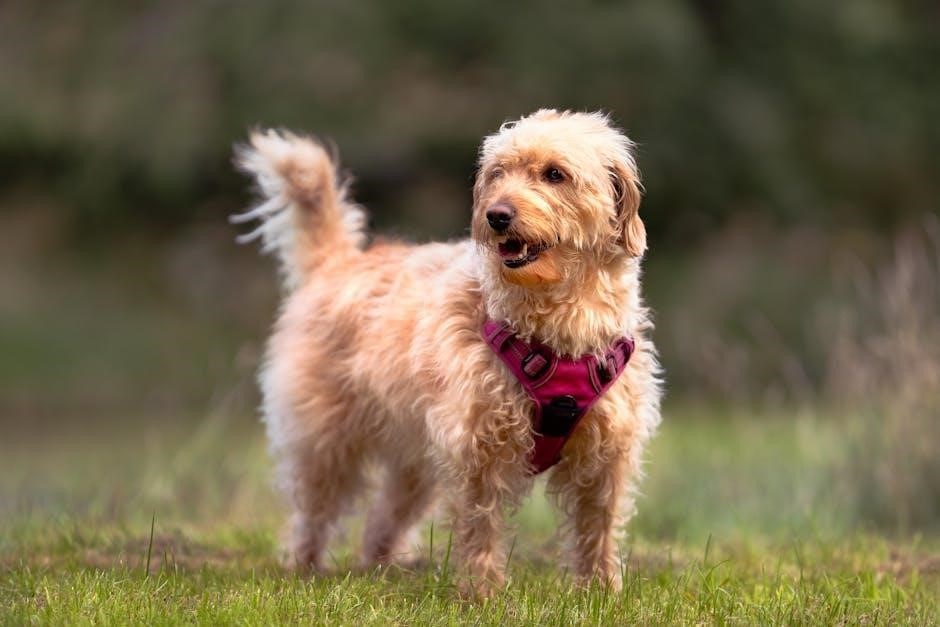
Deep-chested breeds‚ such as Greyhounds‚ Whippets‚ and Irish Wolfhounds‚ present unique challenges when it comes to harness fitting․ Their slender builds and profound chest depths necessitate careful consideration to prevent the harness from slipping or causing discomfort․ Standard harnesses often fail to adequately accommodate their anatomy‚ leading to potential escape risks or chafing under the forelegs․
When measuring a deep-chested dog‚ prioritize the chest girth measurement‚ ensuring the tape measure sits behind the front legs‚ at the deepest part of the chest․ Look for harnesses specifically designed for deep chests‚ featuring adjustable straps that can be customized to securely fit their unique shape․ Y-shaped harnesses often work well‚ distributing pressure evenly and minimizing the chance of constriction․ Always check for a snug‚ but not tight‚ fit‚ allowing for a full range of motion․ Regularly inspect for any signs of rubbing or irritation‚ especially during activity․
Short-Legged Breeds (e․g․‚ Dachshunds)
Short-legged breeds like Dachshunds‚ Corgis‚ and Basset Hounds require harnesses that avoid restricting their movement or causing strain on their long backs․ Traditional harnesses can sometimes impede their gait or rub against their bellies due to their low stature․ Careful attention to both chest girth and back length measurements is crucial for a proper fit․
When measuring‚ ensure the harness doesn’t interfere with their natural stride․ Look for harnesses with adjustable straps‚ particularly around the chest and neck‚ to accommodate their unique proportions․ Step-in harnesses can be a good option‚ minimizing pressure on the back․ Prioritize a harness that allows for full range of motion and doesn’t cause chafing under the front legs or along the belly․ Regularly check the fit‚ especially as puppies grow‚ to ensure continued comfort and safety during walks․
Broad-Chested Breeds (e․g․‚ Bulldogs)
Broad-chested breeds‚ such as Bulldogs‚ American Staffordshire Terriers‚ and French Bulldogs‚ present unique fitting challenges due to their muscular build and wide chests․ Standard harnesses may struggle to navigate their broad shoulders or cause discomfort if they’re too restrictive․ Accurate chest girth measurement is absolutely critical; ensure the tape measure sits comfortably behind the front legs‚ capturing the widest point․
Look for harnesses specifically designed for broad-chested dogs‚ often featuring adjustable chest straps and a wider Y-shape to distribute pressure evenly․ Avoid harnesses that dig into their shoulders or restrict breathing․ Prioritize a secure fit that prevents escape without being overly tight․ Regularly check for rubbing or chafing‚ particularly in the armpit area․ A well-fitted harness will allow for a full range of motion and comfortable movement․
Puppies and Growing Dogs
Measuring puppies and rapidly growing dogs requires a slightly different approach․ Their measurements can change significantly in short periods‚ so frequent re-evaluation is essential․ When initially fitting a harness‚ prioritize adjustability to accommodate growth spurts․ Opt for harnesses with multiple adjustment points‚ allowing you to fine-tune the fit as your puppy matures․
Avoid purchasing a harness that’s “too big to grow into‚” as an ill-fitting harness can cause discomfort‚ chafing‚ or even allow your puppy to escape․ Instead‚ measure frequently – every two to four weeks – and adjust the harness accordingly․ Consider a lightweight‚ soft harness for puppies to minimize irritation․ Ensure there’s enough room for comfortable movement‚ but not so much that the harness slips off during activity․