Crock Pot Slow Cooker Manual: A Comprehensive Guide
Discover the convenience of slow cooking! This manual explores everything from basic operation to advanced features, ensuring delicious, hassle-free meals with your Crock-Pot.
Understanding Your Crock-Pot
Embarking on your slow cooking journey begins with understanding this versatile appliance. The Crock-Pot, a steadfast kitchen companion, simplifies meal preparation with its intuitive design and consistent results. Its core strength lies in its ability to cook food at lower temperatures for extended periods, yielding tender, flavorful dishes.
Unlike rapid cooking methods, slow cookers excel at breaking down tough cuts of meat, transforming them into succulent delights. The heavy ceramic insert ensures even heat distribution, preventing scorching and promoting consistent cooking. Leaving your Crock-Pot unattended for hours is perfectly safe, a significant advantage for busy lifestyles.
While often compared to Instant Pots, Crock-Pots specialize in slow cooking, whereas Instant Pots offer multi-functionality, including pressure cooking. The simplicity of “high, low, and warm” settings makes it accessible to cooks of all skill levels. Modern iterations, like the WeMo Smart Slow Cooker, even integrate home automation for remote control and monitoring, adding a layer of convenience.
What is a Slow Cooker?
A slow cooker, often synonymous with the brand name Crock-Pot, is an electric countertop appliance used for simmering food at a relatively low temperature over an extended period. This method of cooking allows flavors to meld and develop, resulting in incredibly tender and flavorful meals. It typically consists of a removable ceramic or stoneware insert, a heating element, and a lid.
Unlike conventional cooking methods that rely on high heat, slow cookers utilize gentle, consistent warmth. This is ideal for tougher cuts of meat, transforming them into fall-apart tenderness. It’s a “set it and forget it” appliance, perfect for busy individuals who want a home-cooked meal without constant attention.
Slow cookers are incredibly versatile, capable of preparing everything from hearty stews and soups to tender roasts and even desserts. They offer a convenient and energy-efficient alternative to traditional oven or stovetop cooking, making them a valuable addition to any kitchen.
Crock-Pot vs. Instant Pot: Key Differences
While both Crock-Pot slow cookers and Instant Pots are popular kitchen appliances, they operate on fundamentally different principles. A Crock-Pot specializes in slow cooking – low temperatures over long durations – perfect for tenderizing and developing deep flavors. Conversely, an Instant Pot is a multi-cooker, with pressure cooking as its primary function, offering significantly faster cooking times.
You can utilize an Instant Pot for slow cooking, mimicking a Crock-Pot’s function, but a Crock-Pot cannot perform pressure cooking; This is the core distinction. Instant Pots boast numerous pre-set programs for various cooking methods, while Crock-Pots traditionally offer simpler high, low, and warm settings.
Essentially, choose a Crock-Pot for convenience and flavor development over time, and an Instant Pot for speed and versatility. The ideal choice depends on your cooking style and priorities.
Types of Crock-Pot Slow Cookers
Crock-Pot offers a diverse range of slow cookers to suit various needs and preferences. Traditional Crock-Pot models feature a simple oval or round ceramic insert with a lid, ideal for classic slow cooking. Newer multicookers, like the Crock-Pot Express Crock, blend slow cooking with pressure cooking capabilities, offering greater versatility.
The WeMo Smart Slow Cooker represents a leap into connected kitchen technology, allowing remote control and monitoring via a smartphone app. Portable Crock-Pots, often smaller in size, are perfect for taking to potlucks or keeping food warm during travel.
Furthermore, Crock-Pots come in different sizes, ranging from small 1.5-quart dippers for dips and sauces to large 8-quart models for family-sized meals. Selecting the right type depends on your typical cooking volume and desired features.
Basic Parts of a Crock-Pot
Understanding the components of your Crock-Pot is crucial for safe and effective use. The primary element is the stoneware crock, or insert, which holds the food during cooking. This is typically removable for easy cleaning. Surrounding the crock is the heating element, usually built into the base of the unit, providing consistent, even heat.
The lid, often made of glass, creates a sealed environment to trap moisture and heat. Many lids feature a vent hole or knob to regulate steam release. Control knobs or digital displays allow you to select the desired cooking setting – High, Low, or Warm.
Some models include a power cord with a plug, while others may have a detachable cord. Finally, handles on both the crock and lid facilitate safe handling when hot.
Safety Precautions
Prioritizing safety when using your Crock-Pot is paramount. Never immerse the base of the appliance in water or other liquids, as this poses a significant electrical hazard. Always ensure the unit is unplugged before cleaning. Avoid using abrasive cleaners or scouring pads, which can damage the non-stick surface of the crock.
Exercise caution when handling the hot crock and lid; use oven mitts or pot holders. Never leave the appliance unattended for extended periods, although slow cookers are designed for long, unattended cooking.
Be mindful of steam release, especially when lifting the lid, to prevent burns. Do not operate the appliance if the cord or plug is damaged. Leaving the slow cooker unattended for hours is acceptable, unlike leaving an oven or stove on.
General Safety Guidelines
To ensure safe operation, always place your Crock-Pot on a stable, heat-resistant surface away from flammable materials. Avoid using extension cords if possible; if necessary, use a heavy-duty extension cord rated for the appliance’s wattage. Never operate the Crock-Pot with an empty crock, as this can cause damage.
Always allow the appliance to cool completely before cleaning or storing. Do not attempt to repair the Crock-Pot yourself; contact a qualified technician for any repairs. Keep the appliance out of reach of children.
Remember, slow cookers are designed for unattended cooking, but common sense should always prevail. Inspect the cord regularly for damage, and never drape it over the edge of a counter or sink. Proper usage guarantees safe and enjoyable cooking experiences.
Electrical Safety
Prioritize electrical safety when using your Crock-Pot. Always ensure the voltage indicated on the appliance matches your household voltage. Never immerse the Crock-Pot base, cord, or plug in water or other liquids. A damaged cord or plug renders the appliance unsafe and should not be used.
Avoid operating the Crock-Pot with wet hands. If the appliance malfunctions or shows signs of electrical damage, immediately unplug it and discontinue use. Do not attempt to disassemble or repair electrical components yourself; seek professional assistance.
Ensure the plug is securely inserted into a grounded outlet. Overloading a circuit can pose a fire hazard, so avoid plugging multiple high-wattage appliances into the same outlet. Regular inspection of the cord and plug is crucial for safe operation.
Using Your Crock-Pot: A Step-by-Step Guide
Begin by placing the ceramic insert into the Crock-Pot base. Add your prepared ingredients, ensuring liquids don’t exceed the maximum fill line. Secure the lid tightly, but avoid forcing it. Plug the Crock-Pot into a grounded electrical outlet.
Select your desired cooking setting – High, Low, or Warm – based on your recipe. Remember, Low cooks for longer periods at a lower temperature, while High cooks faster. The Warm setting is for keeping food at a serving temperature.
Cooking times vary depending on the recipe and chosen setting. Avoid lifting the lid frequently during cooking, as this releases heat and extends cooking time. Once finished, unplug the Crock-Pot and allow it to cool before cleaning.

Preparing Ingredients
Successful slow cooking begins with proper ingredient preparation. Trim excess fat from meats like beef rump roast, and consider searing them beforehand for enhanced flavor – frying, baking, grilling, searing, boiling, and roasting are all options. Cut vegetables into larger chunks, as they won’t shrink during the extended cooking process.
Layer ingredients strategically; place root vegetables like potatoes and carrots at the bottom, as they require longer cooking times. Add meats next, followed by quicker-cooking vegetables. Pour liquids, such as broth or sauce, over the ingredients, ensuring they are partially submerged.
Remember, slow cookers retain moisture, so reduce liquid amounts compared to traditional recipes. Avoid adding dairy products or delicate herbs early in the cooking process, as they can become overcooked.
Setting the Cook Time and Temperature
Understanding your Crock-Pot’s settings is crucial for optimal results. Most models offer “High,” “Low,” and “Warm” settings; “High” provides faster cooking, generally equivalent to simmering on the stovetop, while “Low” offers slower, more tenderizing results. A general rule is 1 hour on High equals 2-3 hours on Low.
Cook times vary significantly based on the recipe and quantity of food. Always consult your recipe for specific instructions. It’s better to undercook slightly and add more time than to overcook and dry out your dish. The “Warm” setting is designed to keep food at a safe temperature after cooking is complete.
Avoid lifting the lid frequently during cooking, as this releases heat and extends the cook time. Trust the process and let the slow cooker work its magic!
High, Low, and Warm Settings Explained
Let’s delve into the nuances of each setting. “High” typically reaches temperatures between 200-225°F (93-107°C), ideal for quicker meals or when you’ve forgotten to start cooking earlier. “Low” operates around 170-190°F (77-88°C), perfect for tougher cuts of meat needing extended tenderization and developing rich flavors.
Remember, converting between High and Low isn’t always a direct 2:1 ratio; factors like food density and liquid content play a role. The “Warm” setting, usually below 170°F (77°C), maintains food temperature without further cooking – excellent for serving or holding meals for extended periods.
These settings offer flexibility, but always prioritize food safety. Never leave food on Warm for more than four hours to prevent bacterial growth.
Cooking with Different Foods
Slow cooking excels with various ingredients, but adjustments are key. Beef and pork benefit from low, slow cooking to become incredibly tender, while chicken and poultry require shorter cook times to avoid dryness. Root vegetables like potatoes and carrots can withstand longer durations, but delicate vegetables like broccoli should be added later in the process.
Beans, especially dried ones, thrive in slow cookers, becoming creamy and flavorful; Remember to avoid overfilling; leave some space for proper heat circulation. Layering ingredients strategically – denser items at the bottom – ensures even cooking.
Experiment with flavors and don’t be afraid to adapt recipes to your preferences!
Beef and Pork Recipes
Beef rump roast transforms beautifully in a slow cooker, becoming incredibly tender and flavorful with minimal effort – perfect for hassle-free lunches and dinners. Pork shoulder, or Boston butt, is another excellent choice, yielding pulled pork that’s ideal for sandwiches or tacos. Consider adding robust flavors like smoked paprika, garlic, and onions to complement the richness of these meats.
For beef stew, sear the meat first for enhanced flavor before adding it to the crockpot with vegetables and broth. Pork tenderloin cooks quickly, so monitor it closely to prevent dryness. Remember to trim excess fat for leaner results.
Slow cooking truly unlocks the potential of these cuts!
Chicken and Poultry Recipes
Chicken thrives in the slow cooker, becoming incredibly moist and tender. Whole chickens, chicken thighs, or breasts all work wonderfully, absorbing flavors from marinades and sauces throughout the extended cooking process. Poultry recipes benefit from a base of broth or sauce to prevent drying, especially with leaner cuts like breast meat.
Consider adding vegetables like potatoes, carrots, and celery for a complete one-pot meal. Seasonings such as herbs, spices, and lemon juice elevate the flavor profile. For crispy skin, broil the chicken briefly after slow cooking, but remember poultry cooks quickly, so monitor closely!
Experiment with different rubs and marinades for diverse tastes.
Vegetarian and Vegan Recipes
Slow cookers aren’t just for meat! They excel at developing rich flavors in vegetarian and vegan dishes. Hearty vegetables like sweet potatoes, butternut squash, and chickpeas become incredibly tender and flavorful with low and slow cooking. Beans and lentils cook beautifully, creating creamy textures without pre-soaking.

Vegan recipes often benefit from adding vegetable broth or coconut milk for moisture and depth. Spices and herbs are key to building complex flavors. Consider adding smoked paprika or liquid smoke to mimic meaty flavors. Root vegetables hold their shape well, while softer vegetables may break down, creating a stew-like consistency.
Explore curries, chili, and hearty vegetable stews!
Troubleshooting Common Issues
Encountering problems with your Crock-Pot? Don’t worry, many issues are easily resolved. If food isn’t cooking properly, ensure sufficient liquid is present; slow cookers need moisture. Verify the lid is sealed correctly, as steam is crucial for consistent temperature. Condensation is normal, but excessive buildup might indicate a faulty lid or overfilling.
If the cooker isn’t heating, check the power cord and outlet. A tripped circuit breaker could also be the culprit. For unresponsive controls on newer models, consult the manufacturer’s website for reset instructions. Remember, leaving a slow cooker unattended is generally safe, but always double-check connections.
Simple fixes often resolve common concerns!
Food Not Cooking Properly
Frustrated with undercooked or unevenly cooked food in your Crock-Pot? Several factors can contribute to this issue. The most common is insufficient liquid; slow cookers rely on steam to cook effectively, so always ensure adequate broth, water, or sauce. Another potential problem is lifting the lid frequently during cooking, releasing heat and extending cook time.
Also, consider the size of food pieces – larger chunks require longer cooking times. Ensure ingredients are properly arranged, with denser items closer to the heat source. Finally, verify your cooker is functioning correctly; a faulty heating element can hinder proper cooking. A beef rump roast, for example, needs sufficient time!
Lid Issues and Condensation
Condensation buildup on the lid of your Crock-Pot is perfectly normal! It’s a natural byproduct of the slow cooking process, indicating steam is being retained to cook food effectively. However, excessive condensation dripping back into the pot can sometimes dilute flavors. Avoid lifting the lid unnecessarily to minimize this.
If the lid doesn’t fit snugly, it could lead to heat loss and longer cooking times. Ensure the lid is properly aligned and seated. Inspect the sealing ring (if applicable) for damage or wear, replacing it if needed. Leaving the slow cooker unattended for hours is fine, but a secure lid is crucial for consistent results.
Cleaning and Maintenance
Regular cleaning extends the life of your Crock-Pot and ensures food safety. Always unplug the unit and allow it to cool completely before cleaning. Most Crock-Pot inserts are dishwasher safe, offering convenient cleanup. However, hand washing with warm, soapy water is recommended for delicate finishes.
The lid and exterior should be wiped down with a damp cloth. Avoid abrasive cleaners, as they can damage the surface. For stubborn stains, a paste of baking soda and water can be effective. Proper storage is also important; ensure all parts are dry before storing to prevent mildew. Maintaining your Crock-Pot is simple, ensuring years of delicious meals!
Cleaning the Crock-Pot Insert
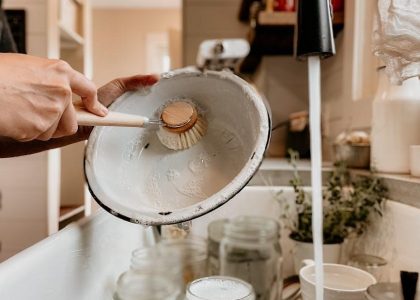
The ceramic or stoneware insert is the heart of your Crock-Pot and requires careful cleaning. Most inserts are dishwasher safe, providing a convenient option for everyday cleaning. However, for baked-on food or to preserve the finish, hand washing is recommended. Use warm, soapy water and a non-abrasive sponge or cloth.
Avoid harsh scouring pads or abrasive cleaners, as these can scratch the surface. For stubborn residue, soak the insert in warm water with dish soap or create a paste of baking soda and water. Rinse thoroughly and dry completely before storing or reassembling. Proper care ensures longevity and prevents food odors.
Cleaning the Lid and Exterior
Maintaining a clean exterior and lid is crucial for hygiene and appearance. The lid is often dishwasher safe, but check your model’s manual to confirm. For hand washing, use warm, soapy water and a soft cloth. Pay attention to the underside of the lid, where condensation can accumulate, potentially leading to mildew.
The Crock-Pot’s exterior can typically be wiped down with a damp cloth. Avoid immersing the base in water or any other liquid, as this could cause electrical damage. For stubborn stains, a mild cleaning solution may be used, but always test it in an inconspicuous area first. Ensure all parts are thoroughly dried before reassembling and storing.
Storage Instructions
Proper storage extends the life of your Crock-Pot. Before storing, ensure all components are completely clean and dry to prevent mildew or odors. The ceramic insert and lid can generally be stacked inside the appliance base for compact storage. However, avoid placing heavy items on top of the lid, as this could cause damage.
If you’re storing the Crock-Pot for an extended period, consider placing a layer of paper or cloth between the insert and base to protect the surfaces. Store in a cool, dry place, away from direct sunlight and extreme temperatures. Keep the original packaging if possible, providing additional protection during storage and transport;
Advanced Features (WeMo Smart Slow Cooker)
The Crock-Pot WeMo Smart Slow Cooker elevates your cooking experience with integrated home automation. This model allows remote control and monitoring via a smartphone app, offering unparalleled convenience. You can adjust cook times and temperatures, switch between settings (high, low, warm), and even turn the cooker on or off from anywhere with an internet connection.
This feature is perfect for busy schedules, allowing you to start dinner before you leave work or make adjustments while traveling. The WeMo integration also enables voice control through compatible smart home devices. Enjoy the freedom of a connected kitchen and perfectly cooked meals, effortlessly managed from your fingertips.
Home Automation Capabilities
The Crock-Pot WeMo Smart Slow Cooker seamlessly integrates into your smart home ecosystem, offering a new level of control and convenience. Utilizing WeMo technology, this appliance connects to your home’s Wi-Fi network, enabling remote operation through a dedicated mobile application. This allows users to manage cooking processes from anywhere, at any time, using their smartphones or tablets.
Beyond remote control, the WeMo integration facilitates scheduling, allowing you to pre-program cooking cycles to align with your daily routine. Compatibility with voice assistants like Amazon Alexa and Google Assistant further enhances usability, enabling hands-free operation. This smart functionality transforms the traditional slow cooker into a connected kitchen essential.
Remote Control and Monitoring
With the Crock-Pot WeMo Smart Slow Cooker, control is truly at your fingertips, even when you’re away from the kitchen. The WeMo app provides complete remote access, allowing you to adjust cook times, switch between settings (high, low, warm), and even turn the cooker on or off – all from your smartphone or tablet. This feature is incredibly useful for busy individuals or those who want to start cooking before arriving home.
Beyond basic control, the app offers real-time monitoring capabilities. You can check the current cooking temperature and remaining time, ensuring your meal is progressing as planned. Notifications alert you to changes in status, such as when cooking is complete, providing peace of mind and preventing overcooking; This level of oversight elevates the slow cooking experience.
Recipe Ideas and Inspiration
Unleash your culinary creativity with the endless possibilities of Crock-Pot cooking! From classic comfort foods to exciting new flavors, a world of recipes awaits. Start with tried-and-true favorites like tender pot roasts, flavorful pulled pork, or hearty chili – perfect for family gatherings or cozy weeknights. Explore recipes featuring smoked ham hocks for incredibly tender collard greens, a Southern staple.
Don’t be afraid to venture beyond the familiar! Crock-Pots are surprisingly versatile, capable of creating delicious soups, stews, desserts, and even breakfast dishes. Experiment with different cuisines and ingredients to discover your signature slow cooker creations. The ease of use encourages experimentation, making cooking enjoyable and rewarding. Embrace the convenience and savor the results!
Classic Crock-Pot Recipes
Embark on a journey through time-honored recipes perfected in the Crock-Pot! Begin with a succulent beef rump roast, effortlessly tenderized through slow cooking – ideal for a hassle-free lunch or dinner. Next, explore the magic of pulled pork, a barbecue staple that practically falls apart with minimal effort. Don’t overlook the comforting warmth of a classic chili, brimming with flavor and perfect for chilly evenings.
These recipes represent the heart of Crock-Pot cooking: simple ingredients, minimal preparation, and maximum flavor. They showcase the appliance’s ability to transform ordinary ingredients into extraordinary meals. Collard greens, slow-cooked with smoked ham hocks, offer a taste of Southern tradition. These foundational recipes provide a springboard for your own culinary adventures, proving the enduring appeal of the Crock-Pot.
Exploring New Flavors
Beyond the classics, the Crock-Pot unlocks a world of culinary possibilities! Venture into global cuisines with Moroccan tagines, Indian curries, or Mexican mole sauces – all achievable with the slow cooker’s gentle heat. Experiment with unexpected combinations like apple butter chicken or pineapple pork, discovering unique flavor profiles. Don’t be afraid to adapt your favorite recipes for the Crock-Pot, embracing its ability to meld flavors over time.
The slow cooker’s consistent temperature is ideal for infusing ingredients with depth and complexity. Consider utilizing different broths, spices, and herbs to create personalized dishes. Embrace the freedom to experiment and discover new favorites, transforming simple ingredients into exciting meals. The Crock-Pot isn’t just about convenience; it’s about expanding your culinary horizons and enjoying the journey of flavor exploration.