

Philippine Passport Application Form: A Comprehensive Guide (Updated May 12‚ 2025)
Navigating the Philippine passport application requires understanding forms‚ documents‚ and DFA procedures; this guide provides a detailed walkthrough for a smooth process.

I. Understanding the Philippine Passport
The Philippine passport is a crucial travel document issued by the Department of Foreign Affairs (DFA)‚ serving as proof of identity and citizenship for Filipinos traveling internationally. It facilitates entry and exit procedures in foreign countries‚ and is often required for various transactions abroad. Obtaining a passport involves a structured application process‚ encompassing form completion‚ document submission‚ appointment scheduling‚ and a personal interview.
Understanding the different types of applications – new‚ renewal‚ or replacement – is vital‚ as each necessitates specific requirements. The passport’s validity period is typically ten years for adults‚ and five years for individuals under eighteen. Staying informed about updated procedures‚ fees‚ and DFA office locations ensures a streamlined application experience.
II. Eligibility Requirements for Passport Application
Generally‚ all Filipino citizens are eligible to apply for a Philippine passport‚ regardless of their current residence status – whether within the Philippines or abroad. However‚ certain conditions apply. Applicants must possess valid Philippine identification and demonstrate legitimate intent for international travel. Individuals with existing legal restrictions‚ such as pending court cases or travel bans‚ may face eligibility challenges.
Minors have specific requirements‚ typically needing parental consent and accompanying documentation. Those who have undergone legal name changes must present supporting legal documents. The DFA reserves the right to request additional information to verify an applicant’s eligibility‚ ensuring the integrity of the passport issuance process.
III. Types of Philippine Passport Applications
The Department of Foreign Affairs (DFA) categorizes passport applications into three primary types: new applications for first-time passport holders‚ renewals for those with expiring or expired passports‚ and replacements for lost or damaged passports. Each category necessitates a distinct set of requirements and procedures.
New applications involve a more comprehensive documentation process‚ while renewals are typically streamlined for eligible applicants. Lost or damaged passport replacements require additional affidavits and potentially police reports. Understanding the specific type of application is crucial for preparing the correct documentation and navigating the DFA’s appointment system efficiently.
A. New Passport Application
A new passport application is required for Filipino citizens applying for a passport for the very first time. This process demands meticulous preparation of supporting documents to verify identity and citizenship. Applicants must present original and photocopies of vital records like birth certificates issued by the Philippine Statistics Authority (PSA).
Valid government-issued IDs are also essential‚ alongside completed application forms and payment of the prescribed fees. The DFA scrutinizes these documents to prevent fraudulent applications. Successfully navigating this process requires careful attention to detail and adherence to the DFA’s guidelines for first-time applicants.
B. Passport Renewal
Passport renewal is a streamlined process for Filipinos with previously issued passports nearing expiration or already expired. Unlike a new application‚ renewal typically requires fewer supporting documents‚ focusing primarily on the existing passport itself. Applicants must ensure the passport isn’t significantly damaged‚ as this may necessitate a lost passport replacement application instead.
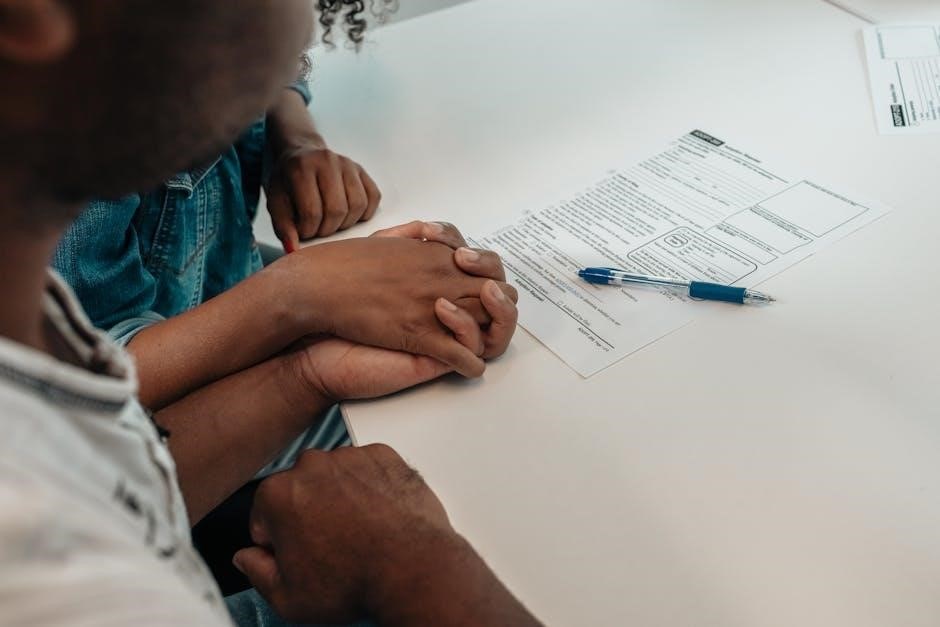
A completed application form‚ passport photo‚ and renewal fee are generally sufficient. The DFA prioritizes renewal applications‚ often offering faster processing times. Online appointment scheduling is highly recommended to avoid long queues and ensure a convenient renewal experience. Maintaining a valid passport is crucial for international travel.
C. Lost or Damaged Passport Replacement
Replacing a lost or damaged Philippine passport requires a more detailed application process than renewal. Applicants must submit an affidavit of loss/damage‚ explaining the circumstances surrounding the passport’s disappearance or condition. This sworn statement is a critical component of the application.
Additional requirements include a police report (for lost passports)‚ a certified true copy of the lost passport (if available)‚ and standard supporting documents like a birth certificate. The DFA treats lost/damaged passport applications with heightened scrutiny to prevent fraudulent activities. Processing times are typically longer than renewals‚ demanding patience from applicants.
IV. Required Documents for Each Application Type
Document requirements for a Philippine passport vary based on the application type. New applicants generally need a Philippine Statistics Authority (PSA) birth certificate‚ valid government-issued IDs‚ and a marriage certificate (if applicable). Renewal applicants typically require their old passport and a PSA birth certificate.
Lost or damaged passport replacements demand additional documentation‚ including an affidavit of loss/damage‚ a police report (for lost passports)‚ and potentially a certified true copy of the lost passport. All applicants must present original documents and photocopies. Specific requirements can shift‚ so checking the DFA website is crucial;
A. Documents for New Applicants
First-time Philippine passport applicants require a comprehensive set of documents. A Philippine Statistics Authority (PSA) certified birth certificate is essential‚ alongside a valid government-issued ID showcasing your photograph and signature. Accepted IDs include driver’s licenses‚ SSS/GSIS cards‚ and PRC licenses.
If married‚ a marriage certificate issued by the National Statistics Office (NSO)‚ now PSA‚ is necessary. Supporting documents may be requested depending on individual circumstances. Ensure all photocopies are clear and legible‚ presented alongside the original documents for verification during your DFA appointment.
B. Documents for Passport Renewal
Renewing your Philippine passport is generally simpler than a new application. The primary requirement is your existing‚ expired passport. If it’s lost or damaged‚ follow the procedures for replacement (see section C). A completely filled-out application form is‚ of course‚ crucial.
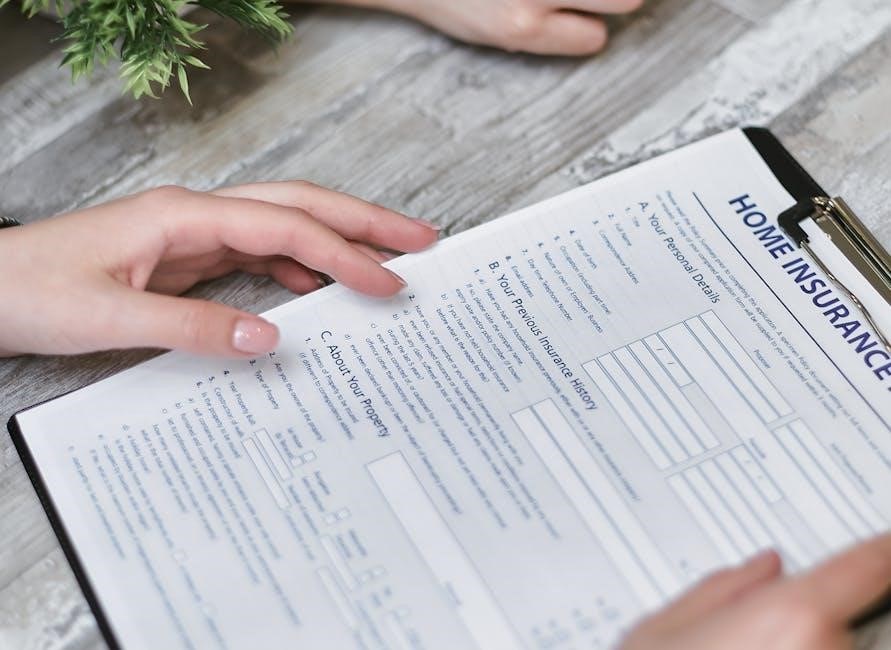
Supporting documents are often minimal‚ but a valid government-issued ID might be requested for verification. If there have been changes to your marital status or name‚ bring the appropriate legal documents – a marriage certificate or a court order for name change – to update your information.
C. Documents for Lost/Damaged Passport
Replacing a lost or damaged Philippine passport necessitates a more comprehensive documentation process. Beyond the standard application form‚ an Affidavit of Loss (for lost passports) is mandatory‚ detailing the circumstances of the loss. For damaged passports‚ submit the damaged document itself.
Valid government-issued IDs are essential for identity verification‚ alongside supporting documents like a police report (especially for lost passports). Proof of citizenship‚ such as a birth certificate‚ is also required. Be prepared to explain the events leading to the loss or damage during the DFA interview.
V. Filling Out the Philippine Passport Application Form
Accurate completion of the Philippine Passport Application Form is crucial. Access the form either online via the DFA website or physically at DFA offices; online access offers convenience‚ while office pickup suits those with limited internet access.
The form requires detailed personal information‚ including your full legal name‚ date and place of birth‚ address‚ and contact details. Ensure consistency with supporting documents. Carefully review each section before submission‚ avoiding erasures or alterations. Double-check all entries for accuracy to prevent processing delays.
A. Accessing the Application Form (Online vs. DFA Offices)
Obtaining the Philippine Passport Application Form is straightforward. Applicants can conveniently download it directly from the Department of Foreign Affairs (DFA) official website‚ offering 24/7 accessibility. Alternatively‚ physical forms are readily available at all DFA Consular Offices nationwide‚ catering to those preferring a hands-on approach.
The online method saves time and travel costs‚ while visiting a DFA office is ideal for individuals needing assistance or lacking reliable internet access. Regardless of the chosen method‚ ensure you obtain the most current version of the form to avoid complications during processing.
B. Step-by-Step Guide to Completing the Form
Completing the Philippine Passport Application Form demands meticulous attention to detail. Begin by using black ink and writing legibly within the designated boxes. Accurately fill in personal information – full name‚ date of birth‚ place of birth‚ and current address – ensuring consistency with supporting documents.
Answer all questions truthfully and completely‚ leaving no sections blank. Carefully review the form before submitting‚ checking for errors or omissions. Any discrepancies may cause delays or rejection. Remember to sign the application form in the designated area‚ affirming the accuracy of the provided information.
VI. Passport Application Fees (2025 Rates)
Understanding the 2025 passport application fees is crucial for preparation. Regular processing currently costs ₱1‚200 for a ten-year validity passport‚ while expedited processing‚ offering faster turnaround‚ is priced at ₱2‚400. These fees are non-refundable‚ regardless of application outcome.
Additional charges may apply for certain services‚ such as authentication or amendments. Payment methods typically include over-the-counter transactions at designated banks or through online payment portals accepted by the DFA. Always verify the latest fee structure on the official DFA website before proceeding with your application.
VII. Scheduling an Appointment with the DFA
Securing a DFA appointment is a vital step in the passport application process. The DFA primarily utilizes an online appointment system‚ accessible through their official website‚ to manage applicant flow and minimize wait times. Booking in advance is highly recommended‚ as slots fill up quickly‚ especially during peak seasons.
Limited walk-in slots may be available‚ but availability is not guaranteed and subject to daily quotas. Regularly check the DFA website for updates on walk-in procedures. Ensure all required documents are prepared before your scheduled appointment to avoid delays or rejection.
A. DFA Online Appointment System
The DFA’s online appointment system streamlines the passport application process. Applicants must create an account on the DFA website and fill out the required fields‚ including personal information and preferred appointment date/time. Availability is updated regularly‚ so frequent checking is advised.
Upon successful booking‚ you’ll receive a confirmation email with a reference number. This number‚ along with a printed copy of the appointment confirmation‚ is essential on your appointment day. Ensure all details entered are accurate to avoid complications during processing; The system aims for efficient service delivery.
B. Walk-in Availability (Limited)
While the DFA prioritizes appointments‚ limited walk-in slots may be available at select passport offices. However‚ these are highly competitive and not guaranteed. Arriving early significantly increases your chances‚ but be prepared for potentially long queues and the possibility of being turned away if the daily quota is reached.
Walk-in applicants are generally served after those with scheduled appointments. It’s crucial to have all required documents fully prepared to expedite the process if a slot becomes available. Checking the specific DFA office’s social media or website for daily walk-in updates is recommended before visiting.
VIII. What to Expect During the Passport Interview
The passport interview is a crucial step verifying your application details. A consular officer will review your submitted documents and ask questions related to the information provided on your application form. Expect inquiries about your personal background‚ travel history‚ and purpose for applying for a passport.
Honesty and consistency are paramount; discrepancies between your application and responses may lead to delays or denial. Be prepared to answer in English or Filipino. Maintain a respectful demeanor and dress appropriately. The interview typically lasts only a few minutes‚ focusing on confirming the accuracy of your submitted information.
IX. Passport Processing Time (2025 Estimates)
Passport processing times in 2025 can vary depending on application volume and type. Regular processing for new applications and renewals is currently estimated at 10-12 working days from the date of the interview‚ though this is subject to change. Expedited processing‚ available for an additional fee‚ aims for release within 6-8 working days.
Delays can occur due to incomplete documentation‚ high application surges‚ or unforeseen circumstances. Regularly check the DFA website for updated processing timelines and any advisories. Claiming your passport requires a valid ID and the official claim stub provided during your appointment scheduling.
X. Passport Claiming Process
Once your passport is ready for release‚ the DFA will send an SMS notification with your designated claiming date and location. Ensure the mobile number provided on your application is accurate. Bring a valid government-issued ID (original and photocopy)‚ along with the official claim stub received during your appointment.

Authorized representatives can claim on your behalf with a signed authorization letter‚ a photocopy of your ID‚ and their own valid ID. Passport claiming is generally available during regular office hours. Verify specific office schedules beforehand. Failure to claim within one year results in passport cancellation.
XI; Common Errors to Avoid in Your Application
Incomplete or inaccurate information is a frequent cause of application delays. Double-check all fields on the application form‚ ensuring consistency with supporting documents. Avoid erasures or alterations; if a mistake occurs‚ request a new form. Incorrectly declared civil status or parental details can lead to complications.
Submitting photocopies instead of original documents (when required) is another common error. Ensure all signatures match exactly. Failing to provide the correct passport fee or presenting damaged bills will cause rejection. Carefully review the DFA’s checklist to avoid omissions and ensure a smooth process.
XII. DFA Passport Offices Nationwide
The Department of Foreign Affairs (DFA) operates numerous passport offices across the Philippines to cater to a wide range of applicants. Major hubs include locations in Metro Manila‚ such as Aseana‚ SM Mall of Asia‚ and Aliw Theater. Provincial offices are strategically located in key cities like Cebu‚ Davao‚ and Zamboanga‚ expanding accessibility.
Consular offices and temporary processing centers are occasionally established to address peak seasons and regional demands. The DFA website provides a comprehensive directory with addresses‚ contact numbers‚ and operational hours for each location. Checking the DFA website is crucial for the most up-to-date information regarding office schedules and services.
XIII. Special Considerations for Minors
Applying for a passport for a minor (under 18) necessitates specific requirements beyond the standard adult application. Parental consent is paramount; both parents must appear personally with valid IDs‚ or a notarized affidavit of consent from the absent parent is required. The Philippine Statistics Authority (PSA) birth certificate is a mandatory document for all minor applicants.
Guardianship documents‚ such as a court order‚ are necessary if applying on behalf of a minor without both parents present. Minors aged 13-17 must also sign the application form‚ demonstrating their acknowledgment and consent. Ensure all documents are original or certified true copies to avoid processing delays.
XIV. Special Considerations for Senior Citizens
Senior citizens (60 years old and above) applying for a Philippine passport benefit from streamlined procedures designed for convenience. While the standard documentary requirements apply‚ priority processing is often granted at DFA offices‚ reducing wait times. Presenting a valid government-issued ID with a clear photo and date of birth is crucial.
Some DFA offices offer dedicated lanes or assistance for senior citizens. Ensure the application form is completely and accurately filled out‚ and consider bringing a companion if assistance is needed. The PSA birth certificate remains a mandatory document. Exemption from certain fees may be available; inquire at the DFA office.
XV. Frequently Asked Questions (FAQs)
Q: Can I use a photocopy of my PSA birth certificate? A: No‚ only the original or a certified copy is accepted. Q: What if my passport is expiring within six months? A: You must renew it immediately to avoid travel restrictions. Q: Is online appointment mandatory? A: While encouraged‚ limited walk-in slots may be available‚ but are not guaranteed.
Q: What if I lost my passport abroad? A: Report it to the nearest Philippine embassy or consulate. Q: Can I change my middle name? A: No‚ it must match your PSA birth certificate. Q: How long does processing take? A: Currently‚ expect around 10-15 business days.
XVI. Useful Links and Resources
DFA Website: https://www.dfa.gov.ph/ – Official source for all passport-related information and downloadable forms. PSA Website: https://www.psa.gov.ph/ – For obtaining birth certificates and other vital documents. DFA Appointment System: https://appointment.dfa.gov.ph/ – Schedule your passport appointment online.
i-Remit: https://www.i-remit.com.ph/ – For online payment of passport fees. Philippine Embassy/Consulate Websites: Locate the nearest embassy or consulate for assistance abroad. DFA Facebook Page: Stay updated on announcements and advisories.
XVII. Updates and Changes to Passport Procedures (May 2025)
Recent adjustments to the Philippine passport application process include streamlined online form verification and enhanced security features on the new passport booklets. The DFA continues to optimize the appointment system to reduce wait times‚ particularly at high-volume locations.
Applicants are advised to double-check document requirements as minor changes regarding acceptable identification may occur; Online payment options have been expanded‚ offering greater convenience. Stay informed about potential service disruptions due to system maintenance or unforeseen events via the DFA website and social media channels.