
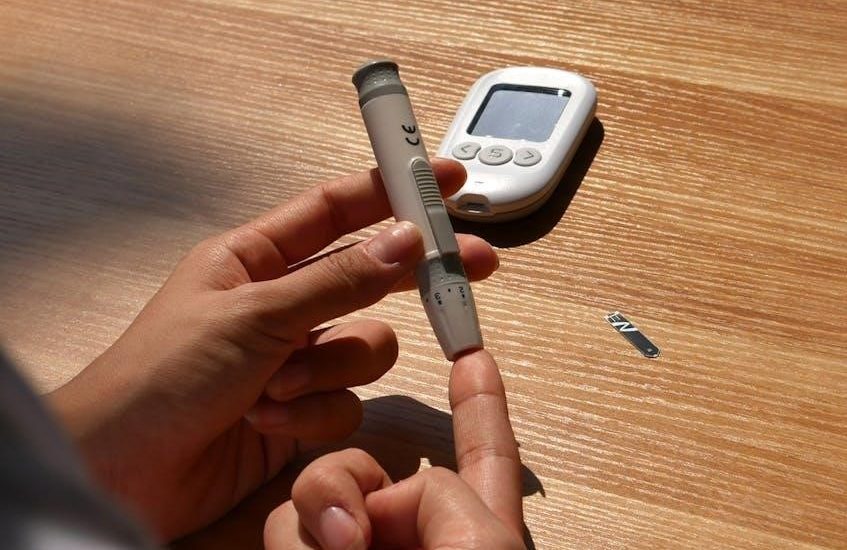
Lifesource Digital Blood Pressure Monitor Instructions: A Comprehensive Guide

This guide provides detailed instructions for the Lifesource monitor, including setup, operation, and troubleshooting, referencing the UA-651BLE model’s user manual for optimal use․
Understanding Your Lifesource Monitor
Your Lifesource digital blood pressure monitor, specifically the UA-651BLE, is an advanced device designed for convenient and accurate home blood pressure monitoring․ This monitor utilizes Bluetooth connectivity to seamlessly synchronize data with your smartphone via a companion app, enabling comprehensive tracking and analysis of your readings․
Familiarize yourself with the device’s components, including the cuff, monitor unit, and display screen․ The user manual serves as your primary resource, detailing each feature and function․ Understanding the monitor’s capabilities empowers you to effectively manage your cardiovascular health․ Remember to consult your manual for detailed information regarding proper usage and interpretation of results․
This monitor is designed for ease of use, but careful attention to the instructions is crucial for obtaining reliable measurements․
Model Specifics: UA-651BLE
The UA-651BLE is a deluxe connected blood pressure monitor, offering wireless functionality and advanced features․ This model facilitates easy data transfer to smartphones via Bluetooth, allowing for detailed tracking and analysis of blood pressure trends․ It’s designed for user-friendly operation, with a clear display and intuitive controls;
Key specifications include a comprehensive user manual available online, detailing setup, operation, and troubleshooting․ The UA-651BLE is designed to be a reliable tool for home health monitoring․ Accessing the online manual provides detailed instructions and support․
This model prioritizes convenience and accuracy, making it a valuable asset for individuals managing their cardiovascular health․ Always refer to the manual for specific guidance․
Key Features and Benefits
The UA-651BLE boasts Bluetooth connectivity, enabling seamless data synchronization with compatible smartphones and the companion app for comprehensive tracking․ Its advanced design provides accurate blood pressure measurements, supporting effective health management․ The device offers a user-friendly interface, simplifying operation for all users․
Benefits include convenient data storage and review, allowing users to monitor trends over time․ Access to a detailed user manual ensures proper usage and troubleshooting․ This model is designed for ease of use and reliable performance, promoting proactive healthcare․
Enjoy wireless convenience and insightful data analysis with this advanced blood pressure monitor․
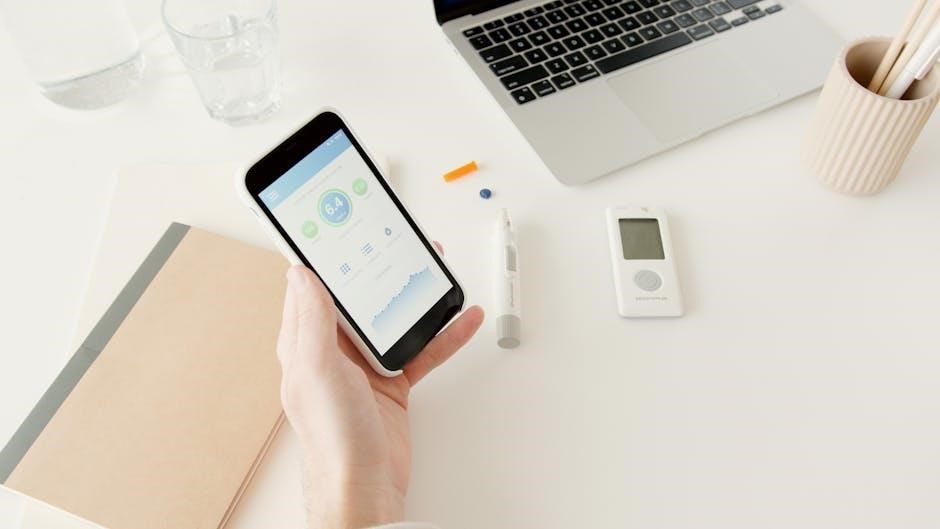
Getting Started: Setup and Preparation
Begin by carefully unboxing the components, installing batteries, and selecting the appropriate cuff size for accurate readings and optimal device functionality․
Unboxing and Component Check
Carefully remove your Lifesource Digital Blood Pressure Monitor from its packaging․ Ensure all listed components are present before proceeding․ You should find the monitor unit itself, a blood pressure cuff (verify the correct size), and this comprehensive instruction manual․ Additionally, confirm the inclusion of batteries – typically AAA batteries are required․
Inspect each item for any visible damage sustained during shipping․ If any components appear damaged or are missing, immediately contact customer support for assistance and replacement options․ Retain the original packaging for potential returns or warranty claims․ Familiarize yourself with each part’s function as outlined in the user manual to ensure proper setup and operation․ A thorough component check guarantees a smooth and accurate blood pressure monitoring experience․
Battery Installation and Powering On
Locate the battery compartment, usually found on the rear or underside of the monitor unit․ Open the compartment cover, typically by sliding or pressing a release latch․ Insert the required batteries – commonly four AAA batteries – following the polarity markings (+ and -) inside the compartment․ Ensure the batteries are correctly aligned for proper contact․
Close the battery compartment cover securely․ To power on the monitor, press the ‘Start/Stop’ button․ The display should illuminate, indicating successful power-up․ If the display does not light up, double-check the battery installation and replace batteries if necessary․ Low battery indicators will appear on the screen when replacement is needed, ensuring continuous monitoring capabilities․
Cuff Selection and Proper Fit
Choose the correct cuff size for your arm circumference․ Using the wrong size can lead to inaccurate readings․ Measure your arm’s circumference and consult the monitor’s manual for appropriate cuff size recommendations․ Wrap the cuff snugly around your upper arm, approximately one inch above the elbow․
Ensure the artery marker on the cuff aligns with your brachial artery․ The cuff should be snug but not too tight, allowing space for a finger to slide underneath․ Avoid positioning the cuff over clothing; it should be applied directly to bare skin․ A properly fitted cuff is crucial for obtaining reliable and accurate blood pressure measurements․
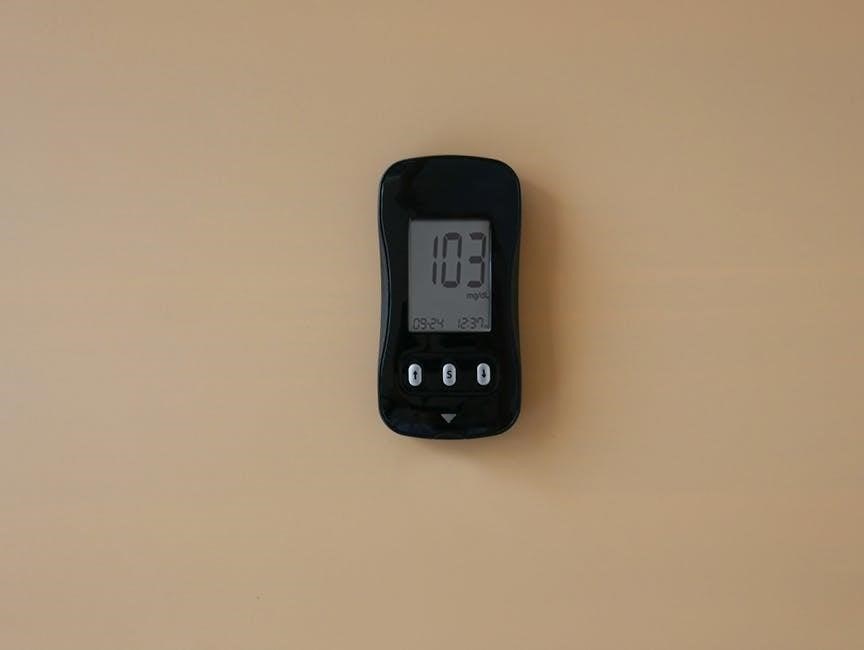
Taking Accurate Blood Pressure Measurements
Ensure correct posture and positioning for reliable results; follow the step-by-step procedure outlined in the user manual for precise systolic and diastolic readings․
Correct Positioning and Posture
Achieving accurate blood pressure readings hinges on proper positioning and posture during measurement․ Sit comfortably with your back supported, feet flat on the floor, and legs uncrossed․ Avoid talking or moving during the measurement process, as this can artificially elevate your reading․
Ensure your arm is supported at heart level, whether resting on a table or armrest․ The cuff should be placed directly on your bare skin, not over clothing, and positioned approximately one inch above your elbow․ Relax your arm and hand completely․ Incorrect posture, such as slouching or crossing your legs, can significantly impact the accuracy of the reading․ Refer to the user manual for detailed illustrations and guidance on optimal positioning for the UA-651BLE model․
Step-by-Step Measurement Procedure
Begin by sitting quietly for five minutes before taking a measurement․ Attach the cuff to your upper arm, ensuring proper fit and positioning as described in the manual․ Press the power button to initiate the measurement process․ Remain still and silent while the cuff inflates and deflates automatically․
The monitor will display your systolic and diastolic blood pressure readings, along with your pulse rate․ Record these values for tracking purposes․ Repeat the measurement after a short interval if desired, or as recommended by your healthcare provider․ Consult the UA-651BLE user manual for specific instructions and troubleshooting tips related to your device․
Understanding Systolic and Diastolic Readings
Systolic pressure, the top number, represents the force when your heart beats․ Diastolic pressure, the bottom number, measures the force when your heart rests between beats․ Both values are crucial for assessing cardiovascular health․
Normal readings typically fall below 120/80 mmHg, but individual targets may vary․ Elevated readings require monitoring and potential lifestyle adjustments․ Consistent high readings indicate hypertension, needing medical attention․ Refer to blood pressure categories explained in the comprehensive guide․ The UA-651BLE provides accurate readings for informed health management․ Regular monitoring and understanding these values are vital for proactive healthcare․
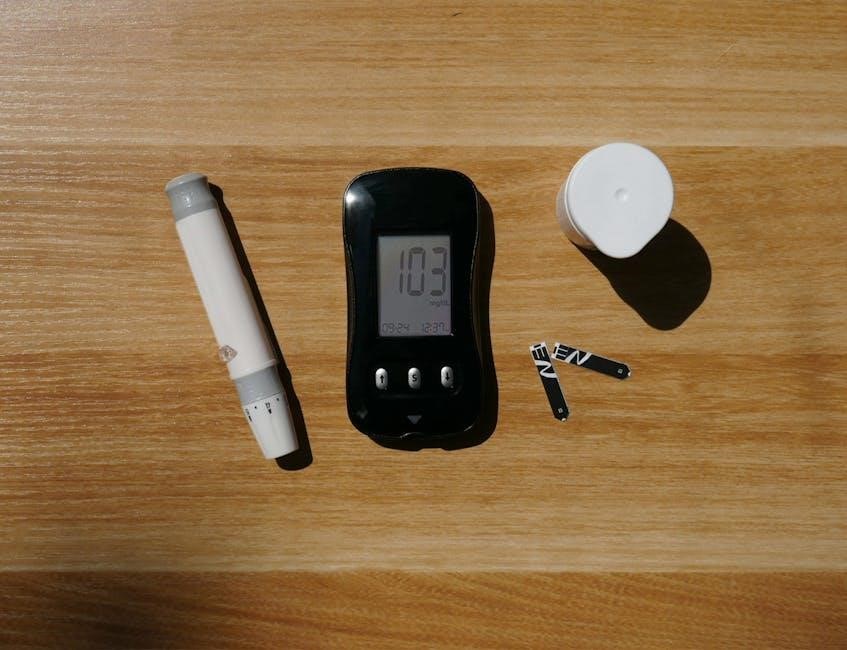
Using the Bluetooth Connectivity
Connect your UA-651BLE monitor to your smartphone via Bluetooth, download the companion app, and synchronize data for convenient tracking and storage․
Pairing with Your Smartphone
To establish a Bluetooth connection, ensure your smartphone’s Bluetooth is enabled․ On the Lifesource UA-651BLE monitor, navigate to the Bluetooth settings – consult your user manual for specific button sequences․ The monitor will likely enter pairing mode, becoming discoverable by nearby devices․
On your smartphone, open the Lifesource companion app (after downloading and installing – see the next section)․ Within the app, initiate the device search or pairing process․ The UA-651BLE should appear in the list of available devices․ Select it to begin pairing․
You may be prompted to enter a pairing code (often ‘0000’) or confirm a connection request on both the monitor and your smartphone․ Once successfully paired, the app will indicate a connected status, allowing for seamless data transfer․
Downloading and Installing the Companion App
To unlock the full potential of your Lifesource UA-651BLE monitor, download the dedicated companion app for your smartphone․ The app is available on both the Apple App Store (for iOS devices) and the Google Play Store (for Android devices)․ Search for “Lifesource Blood Pressure” or a similarly named application․
Once located, tap the “Install” button to begin the download and installation process․ Ensure you have a stable internet connection (Wi-Fi is recommended) for a smooth download․ After installation, open the app․
You may be prompted to create an account or agree to terms and conditions․ Follow the on-screen instructions to complete the setup․ This app is crucial for data synchronization and long-term tracking․
Data Synchronization and Storage
After pairing your UA-651BLE monitor with your smartphone via Bluetooth, data synchronization begins automatically each time a measurement is taken․ The companion app securely stores your blood pressure readings, date, and time․ This allows for comprehensive tracking of your cardiovascular health over time․
Within the app, you can view historical data in graphical formats, identifying trends and patterns․ Most apps offer cloud storage, backing up your data and enabling access from multiple devices․
Regular synchronization ensures your data is always current and accessible․ Check the app settings to confirm automatic synchronization is enabled for seamless data management․

Interpreting Your Results
Understand blood pressure categories, identify irregular heartbeat indications, and consistently track trends using the monitor and app to monitor your progress effectively․
Blood Pressure Categories Explained
Understanding your blood pressure readings requires knowing the established categories․ Normal blood pressure is generally considered below 120/80 mmHg․ Elevated readings fall between 120-129 systolic and less than 80 diastolic․ High blood pressure (Hypertension) is categorized into stages; Stage 1 is 130-139 systolic or 80-89 diastolic, while Stage 2 is 140/90 mmHg or higher․
Hypertensive crisis requires immediate medical attention, defined as readings exceeding 180/120 mmHg․ These categories help assess cardiovascular risk․ Regularly monitoring and discussing your results with a healthcare professional is crucial for personalized guidance and management․ The Lifesource monitor assists in tracking these values, enabling informed healthcare decisions․ Remember, consistent monitoring provides valuable data for long-term health management․
Identifying Irregular Heartbeats
The Lifesource monitor can detect irregular heartbeats during measurement, often indicated by a specific symbol on the display․ Irregular heartbeats, or arrhythmias, can vary in severity and may not always indicate a serious problem․ However, frequent or prolonged irregularities warrant medical evaluation․
If the monitor consistently detects irregular heartbeats, consult your doctor․ They can perform further tests, such as an electrocardiogram (ECG), to determine the cause and appropriate treatment․ Do not self-diagnose or alter medication based solely on the monitor’s readings․ The device serves as a screening tool, not a definitive diagnostic instrument․ Consistent monitoring and professional evaluation are key․
Tracking Trends and Monitoring Progress
Regularly recording your blood pressure readings allows you to track trends and assess the effectiveness of lifestyle changes or medication․ The Lifesource monitor’s memory function stores previous measurements, accessible via the device’s recall feature or the companion smartphone app․
Utilize the app to visualize your data over time, identifying patterns and potential concerns․ Share these trends with your healthcare provider during appointments․ Consistent monitoring empowers you to proactively manage your cardiovascular health․ Note any correlations between readings and factors like stress, diet, or exercise․ Long-term tracking provides valuable insights for personalized care․
Troubleshooting Common Issues
Resolve typical problems like error messages, cuff inflation difficulties, and Bluetooth connectivity issues by consulting the user manual for specific UA-651BLE guidance․
Error Messages and Their Meanings
Understanding the error messages displayed on your Lifesource UA-651BLE monitor is crucial for effective troubleshooting․ The device utilizes specific codes to indicate various issues encountered during operation․ For instance, an “Err” message often signals a problem with the cuff pressure or connection․ Refer to your user manual for a comprehensive list of error codes and their corresponding meanings․
Common errors include “Cuff Error,” indicating improper cuff placement or a leak, and “Low Battery,” prompting immediate battery replacement․ Some messages might relate to irregular heartbeat detection, advising a re-test or consultation with a healthcare professional․ Always consult the manual before attempting self-repair, as incorrect intervention could damage the device or compromise measurement accuracy․ Detailed explanations within the manual will guide you towards resolving these issues efficiently․
Cuff Inflation Problems
Experiencing issues with cuff inflation on your Lifesource UA-651BLE monitor can stem from several causes․ Ensure the cuff tubing is securely connected to the main unit; a loose connection prevents proper inflation․ Verify the cuff is applied correctly, snug but not overly tight, following the manual’s guidelines․ A kinked or damaged tube can also restrict airflow, necessitating inspection and potential replacement․
If the cuff doesn’t inflate at all, check battery levels, as insufficient power hinders operation․ Occasionally, the inflation mechanism itself may require attention․ Consult the user manual for specific troubleshooting steps related to inflation failures․ If problems persist, avoid forceful attempts to inflate the cuff and seek assistance from customer support or a qualified technician․
Connectivity Issues with Bluetooth
Encountering Bluetooth connectivity problems with your Lifesource UA-651BLE monitor is common․ First, confirm Bluetooth is enabled on your smartphone․ Ensure the monitor is in pairing mode, as detailed in the user manual․ Verify the companion app has the necessary permissions to access Bluetooth․ Distance can also be a factor; keep the monitor close to your phone during pairing and data synchronization․
If pairing fails, try restarting both the monitor and your smartphone․ Clear the Bluetooth cache on your phone and attempt pairing again․ Check for app updates, as newer versions often address connectivity bugs․ If issues persist, consult the app’s help section or Lifesource support for further assistance․
Maintenance and Care
Regular cleaning with a soft, damp cloth ensures longevity․ Replace batteries as needed, and maintain the cuff by storing it properly, avoiding extreme temperatures․
Cleaning and Storage Instructions
To ensure the longevity and accuracy of your Lifesource digital blood pressure monitor, consistent cleaning and proper storage are crucial․ Always disconnect the cuff from the monitor before cleaning․ Gently wipe the monitor’s surface and the cuff with a soft, slightly damp cloth․ Avoid using harsh chemicals, abrasive cleaners, or excessive moisture, as these can damage the device․
For storage, keep the monitor and cuff in a cool, dry place, away from direct sunlight and extreme temperatures․ Avoid storing the device in humid environments․ When not in use, store the cuff flat or loosely rolled to prevent creases that could affect its performance․ Proper care will maintain the monitor’s reliability and provide accurate readings for years to come․
Replacing Batteries
When the low battery indicator appears on the Lifesource monitor’s display, it’s time to replace the batteries․ Typically, the monitor requires standard alkaline batteries – refer to your model’s manual for the correct size and type․ Gently open the battery compartment, usually located on the back or side of the device․
Remove the old batteries and insert new ones, ensuring correct polarity (+ and -) as indicated inside the compartment․ Close the battery cover securely․ Incorrect battery installation can damage the monitor; Dispose of used batteries responsibly, following local regulations․ Replacing batteries regularly ensures continuous and accurate blood pressure measurements․
Cuff Maintenance and Replacement
To ensure accurate readings, regularly inspect the Lifesource blood pressure cuff for cracks, leaks, or damage․ Clean the cuff gently with a damp cloth and mild soap, avoiding harsh chemicals․ Allow it to air dry completely before use․ Avoid excessive stretching or bending of the cuff material․
Over time, the cuff may lose elasticity or become damaged, requiring replacement․ Replacement cuffs are available for purchase, ensuring compatibility with your specific Lifesource monitor model․ Using a damaged or ill-fitting cuff can lead to inaccurate measurements․ Proper cuff care extends the lifespan of your monitor and maintains reliable results․
Advanced Features and Settings
Explore memory recall for data review, adjust the date and time settings, and customize cuff size for personalized monitoring with your Lifesource device․
Memory Recall and Data Review
The Lifesource monitor stores previous readings, allowing comprehensive data review for tracking blood pressure trends․ Accessing this memory is straightforward; typically, a dedicated “Memory” button initiates recall․ The device displays stored systolic, diastolic, and pulse readings, often with a date and time stamp for context․
Users can scroll through past measurements to identify patterns or anomalies․ Some models allow averaging of readings over a specified period, providing a more representative overview․ This feature is invaluable for monitoring the effectiveness of lifestyle changes or medication․ Regularly reviewing stored data empowers individuals to proactively manage their cardiovascular health and share information with healthcare professionals during consultations․
Setting Date and Time
Accurate date and time settings are crucial for correctly timestamping blood pressure readings, enabling meaningful data tracking and analysis․ The Lifesource monitor’s interface usually includes a “Set” or “Mode” button to access these settings․ Pressing this button repeatedly cycles through options like year, month, day, hour, and minute․
Utilize the “Start/Stop” or arrow buttons to adjust each value․ Confirm each selection by pressing “Set” again․ Proper date and time configuration ensures that stored measurements are chronologically ordered, facilitating effective monitoring of blood pressure trends over time․ Refer to the user manual for specific button configurations on your UA-651BLE model․
Adjusting Cuff Size
Selecting the correct cuff size is paramount for accurate blood pressure measurements․ An improperly sized cuff—too tight or too loose—can significantly skew readings․ Most Lifesource monitors, including the UA-651BLE, accommodate a standard cuff size, but larger cuffs are often available separately․
Measure your arm circumference to determine the appropriate cuff size․ If your arm circumference falls outside the standard range, a different cuff is necessary․ Ensure the cuff’s bladder encircles at least 80% of your arm․ A correctly fitted cuff will provide a snug, but not constricting, fit, leading to reliable and consistent blood pressure data․
Safety Precautions and Warnings
Always consult a healthcare professional before self-monitoring, and be aware of potential contraindications and risks associated with blood pressure monitoring devices․
Contraindications for Use
This device is not intended for use on infants or small children, and caution should be exercised when used on individuals with severe circulatory problems․ Individuals who have had a mastectomy, lymph node removal, or vascular surgery on the arm where the measurement will be taken should consult their doctor before use․
Furthermore, avoid using the monitor on an arm with an arterial catheter, shunt, or dialysis access․ Patients experiencing acute illness or those with conditions affecting arterial access should refrain from self-measurement․ The monitor is not a substitute for regular medical check-ups, and any concerning readings should be promptly discussed with a healthcare professional․ Always prioritize professional medical advice over self-diagnosis or treatment․
Potential Risks and Side Effects
While generally safe, improper use may cause temporary discomfort or skin irritation at the measurement site due to repeated cuff inflation․ Over-inflation of the cuff can lead to bruising, particularly in individuals with fragile skin or those taking blood thinners․ Rarely, individuals may experience anxiety or distress related to blood pressure readings․
It’s crucial to use the correct cuff size to avoid inaccurate readings and potential arm discomfort․ Do not use the monitor if you experience persistent pain or numbness in your arm․ Always consult a healthcare professional if you have concerns about your blood pressure or experience any adverse effects while using the device․
Important Safety Information
This device is not intended for continuous monitoring or use on critically ill patients․ Always consult your healthcare provider for diagnosis and treatment of hypertension․ Do not self-treat based solely on readings from this monitor․ Keep the device dry and avoid extreme temperatures․
Ensure the cuff is applied correctly and not too tightly․ Never modify the device without authorization․ Regularly check for any signs of damage to the cuff or tubing․ Dispose of batteries properly․ This monitor is a supplementary tool and should not replace regular medical check-ups․