
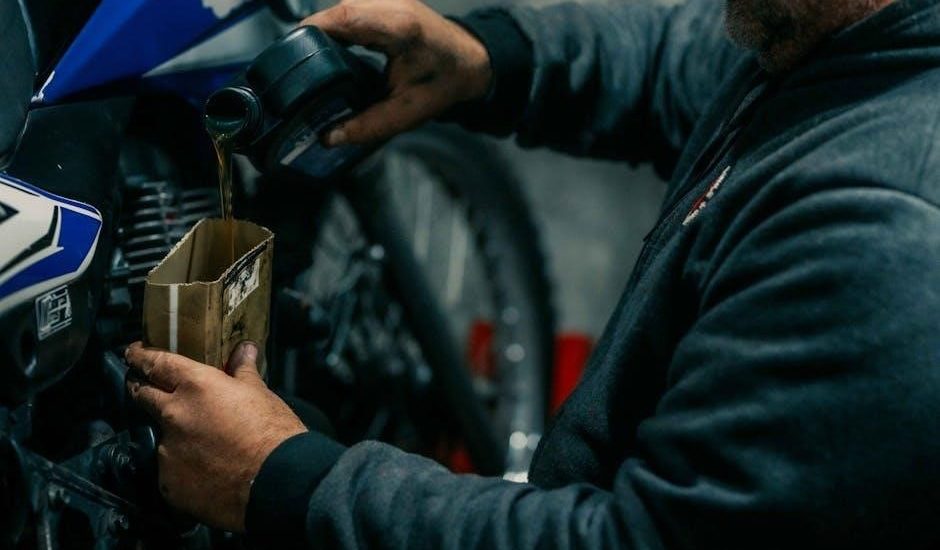
Nissan Manual Transmission Fluid: A Comprehensive Guide
Navigating Nissan’s manual transmissions requires understanding fluid specifics, impacting performance and longevity․ This guide details fluid types, changes, and diagnostics, ensuring optimal operation․

Recent discussions highlight issues like transmission jerking in Sentras (2015) and grinding noises in reverse, emphasizing proper fluid maintenance․
Understanding Nissan Manual Transmission Fluid
Nissan’s manual transmissions demand specific fluids for smooth operation and component protection․ Unlike automatic transmissions, manual gearboxes rely on fluid primarily for lubrication and synchronizer function․
The correct fluid minimizes wear, prevents corrosion, and ensures efficient gear changes․ Ignoring fluid specifications can lead to premature failure, evidenced by grinding noises and shifting difficulties․
Modern Nissan vehicles often require unique fluid formulations, differing from universal gear oils․
Why Use the Correct Fluid?
Employing the designated Nissan manual transmission fluid is crucial for safeguarding your vehicle’s drivetrain․ Incorrect fluids lack necessary additives, potentially causing synchronizer wear and gear damage․
Using the wrong viscosity can hinder smooth shifting, leading to grinding, especially in reverse, as reported by Nissan owners․
Genuine Nissan fluid ensures compatibility with transmission materials, preventing corrosion and extending component lifespan, avoiding costly repairs․
Types of Nissan Manual Transmission Fluid
Nissan specifies unique manual transmission fluids based on the gearbox design․ Genuine Nissan MTF is formulated for optimal performance and protection․
Aftermarket alternatives exist, but compatibility is vital; not all fluids meet Nissan’s stringent requirements․
Carefully verify specifications before using non-Nissan fluids to avoid damage․ Using the correct fluid is essential for smooth operation and longevity․
Genuine Nissan Manual Transmission Fluid
Nissan’s genuine manual transmission fluid is engineered for specific gearbox designs, ensuring optimal lubrication and component protection․ It’s formulated to handle the stresses of shifting and synchronization․
Using genuine fluid minimizes wear, maximizes efficiency, and extends transmission life․
While potentially more expensive, it offers peace of mind and avoids compatibility issues associated with aftermarket options․
Aftermarket Alternatives & Compatibility
Numerous aftermarket manual transmission fluids claim compatibility with Nissan gearboxes, offering potential cost savings․ However, careful selection is crucial․
Ensure the fluid meets or exceeds Nissan’s specifications for viscosity and performance standards (API/SAE)․
Incorrect fluid can lead to shifting problems, component damage, and voided warranties․ Research compatibility thoroughly before switching from genuine Nissan fluid․
Identifying Your Transmission Type
Accurately identifying your Nissan’s transmission is vital for selecting the correct fluid․ Begin by consulting your vehicle’s owner’s manual; it details the specific transmission model․
Alternatively, locate the transmission code – often found on a plate within the engine bay or stamped directly onto the transmission casing․
This code ensures you purchase fluid designed for your exact transmission․
Checking Your Vehicle’s Manual
Your Nissan’s owner’s manual is the primary resource for transmission identification and fluid specifications․ Locate the section detailing drivetrain components; it will specify whether your vehicle has a manual or CVT transmission․
The manual will also list the recommended fluid type, viscosity, and capacity․
Referencing this information prevents using incorrect fluids, safeguarding your transmission’s health․
Using the Transmission Code

Nissan vehicles often have a transmission code located on the transmission itself or within the vehicle’s service information․ This code, a series of letters and numbers, precisely identifies your transmission type․
Consulting a Nissan parts database or a knowledgeable parts professional with this code ensures accurate fluid selection․
Avoid relying solely on model year, as variations exist․
Fluid Specifications & Viscosity
Nissan manual transmissions demand specific fluid viscosities for optimal gear protection and smooth shifting․ Common grades include 75W-80 and 75W-90, denoting cold-weather and overall viscosity․
Adherence to API (American Petroleum Institute) and SAE (Society of Automotive Engineers) standards is crucial․
Using incorrect viscosity can lead to premature wear or shifting problems․
Viscosity Grades (75W-80, 75W-90, etc․)

Understanding viscosity grades like 75W-80 and 75W-90 is vital for Nissan manual transmissions․ The “75W” indicates cold-temperature performance, while the second number signifies viscosity at operating temperature․
Lower numbers (75W-80) suit colder climates, offering easier shifting․
Higher numbers (75W-90) are better for warmer conditions or heavier-duty applications․
API and SAE Standards
Nissan manual transmissions require fluids meeting specific American Petroleum Institute (API) and Society of Automotive Engineers (SAE) standards․ These standards ensure quality and compatibility․
Look for fluids labeled GL-4, indicating suitability for synchronized transmissions commonly found in Nissans․
SAE viscosity grades, like 75W-80 or 75W-90, define the fluid’s thickness at different temperatures, crucial for optimal gear protection․
Checking Your Manual Transmission Fluid Level
Regularly inspecting your Nissan’s manual transmission fluid is vital for preventing damage․ Locate the fill and check plugs, typically on the transmission’s side․
With the engine warm and vehicle level, remove the check plug․
Fluid should be level with the plug’s opening; if low, add the correct fluid type until it reaches this point, avoiding overfilling․
Locating the Fill and Check Plugs
Identifying the fill and check plugs is crucial for fluid level assessment․ These are typically found on the transmission casing’s side, often requiring a wrench or socket for removal․
Consult your vehicle’s manual for precise locations, as they vary by model (Sentra, Altima, Maxima)․
The check plug is usually lower, used for level verification, while the fill plug is higher for adding fluid․
The Proper Checking Procedure
Accurate fluid level checks require a warm transmission, but not hot․ With the engine running, remove the check plug and observe the fluid level – it should be level with the plug’s opening․
If low, add fluid through the fill plug using a pump or squeeze bottle․
Reinstall both plugs securely, ensuring proper torque to prevent leaks․
When to Change Your Manual Transmission Fluid

Generally, Nissan recommends manual transmission fluid changes every 30,000 to 60,000 miles․ However, severe driving conditions – frequent towing, aggressive driving, or stop-and-go traffic – necessitate more frequent intervals, potentially every 30,000 miles․
Regular checks and proactive changes prevent costly transmission repairs and maintain optimal performance․
Mileage Intervals
For typical driving, a Nissan manual transmission fluid change is advisable around 60,000 miles․ However, a more conservative approach of 30,000-mile intervals is recommended for vehicles subjected to demanding use․
This includes frequent towing, spirited driving, or consistent operation in stop-and-go city traffic, safeguarding against premature wear․
Driving Condition Considerations
Severe driving conditions necessitate more frequent fluid changes․ This includes consistent stop-and-go traffic, mountainous terrain, or regular towing․
These scenarios generate increased heat and stress on the transmission, accelerating fluid degradation․ Short trips also contribute, preventing the fluid from reaching optimal operating temperature․ Consider 30,000-mile intervals under these circumstances․
Symptoms of Low or Contaminated Fluid
Recognizing fluid-related issues is crucial for preventing transmission damage․ Difficulty shifting gears, particularly into specific gears, is a common indicator․ Grinding noises, especially during gear changes, suggest metal-on-metal contact due to insufficient lubrication․ Transmission slippage, where the engine revs without proportional speed increase, signals severe fluid degradation or low levels․
Difficulty Shifting Gears
Struggling to engage gears, or experiencing a ‘notchy’ feel, often points to low or degraded manual transmission fluid․ This can manifest as resistance when selecting a gear, or an inability to shift smoothly, especially when cold․ The issue arises from reduced lubrication, hindering synchronizer function and increasing friction between components․
Grinding Noises
Audible grinding, particularly when shifting or in reverse, is a serious warning sign․ This typically indicates insufficient fluid lubrication, causing gears to clash instead of meshing smoothly․ A user reported grinding in reverse, potentially linked to CV joint issues or transmission wear․ Ignoring this symptom can lead to significant and costly internal damage․
Transmission Slippage
Transmission slippage manifests as the engine revving without a corresponding increase in vehicle speed․ This occurs when the fluid lacks the viscosity to effectively transfer power, or is severely degraded․ It’s a critical indicator of low or contaminated fluid levels, demanding immediate attention․ Prolonged slippage accelerates wear and can result in complete transmission failure․
The Manual Transmission Fluid Change Process
A manual transmission fluid change requires specific tools: wrenches, a fluid pump, a drain pan, and the correct fluid․ Begin by locating the drain and fill plugs․ Drain the old fluid completely, then install a new drain plug with a fresh washer․ Carefully pump in the specified amount of new fluid, checking the level as you go;
Tools and Materials Needed
Successfully changing your Nissan’s manual transmission fluid demands preparation․ Essential tools include a socket wrench set, specifically for the drain and fill plugs, a fluid pump for accurate filling, and a drain pan to capture the old fluid․ You’ll also need new drain and fill plug washers, gloves, and the correct Nissan manual transmission fluid specification․
Step-by-Step Fluid Change Guide
Begin by warming the transmission, then locate and remove the drain plug, allowing complete drainage․ Reinstall the drain plug with a new washer, then use a pump to fill the transmission with the correct fluid until it reaches the fill plug opening․ Finally, reinstall the fill plug, verifying tightness․
Nissan CVT Fluid vs․ Manual Transmission Fluid

Nissan’s Continuously Variable Transmissions (CVTs) require a specialized fluid, distinctly different from manual transmission gear oil․ Using the wrong fluid can cause severe damage; CVTs need fluid designed for belt and pulley operation, while manuals need lubrication for gears․ Never substitute one for the other, as compatibility is nonexistent․
Key Differences Explained
CVT fluid prioritizes friction characteristics for smooth belt engagement, while manual transmission fluid focuses on extreme pressure (EP) and gear protection․ CVTs lack traditional gears, needing fluid to transfer power; manuals rely on gear mesh․ Viscosity and additive packages differ significantly, impacting efficiency and durability․ Incorrect fluid leads to slipping or failure․
Avoiding Incorrect Fluid Use
Always verify the transmission type before any fluid service․ Using CVT fluid in a manual, or vice versa, causes severe damage․ Consult your owner’s manual or transmission code for the correct specification․ Generic scanning tools often lack Nissan-specific CVT diagnostics, increasing risk․ Prioritize genuine Nissan fluid or a compatible, high-quality alternative․
Common Nissan Transmission Problems Related to Fluid
Neglecting fluid changes frequently leads to synchro issues, causing difficult shifting and grinding․ Low or contaminated fluid accelerates bearing failures, resulting in noise and eventual transmission breakdown․ Consistent maintenance prevents these costly repairs․ Ignoring warning signs like jerking or stalling, as seen in some Sentra models, exacerbates damage․
Synchro Issues
Worn or insufficient Nissan manual transmission fluid directly impacts synchronizer performance, leading to difficulty selecting gears, especially when shifting quickly․ This manifests as grinding noises during gear changes, particularly noticeable in 2nd and 3rd gear․ Regular fluid checks and timely replacements are crucial to maintain proper lubrication and prevent premature synchro wear, avoiding costly repairs․
Bearing Failures
Insufficient lubrication from degraded Nissan manual transmission fluid accelerates bearing wear within the transmission․ This results in whining or rumbling noises, often increasing with vehicle speed․ Prolonged neglect can lead to complete bearing failure, causing significant internal damage and potentially immobilizing the vehicle․ Consistent fluid maintenance is vital for protecting these critical components and ensuring long-term transmission health․
Recommended Fluid Brands
Nissan Genuine fluids are the gold standard, guaranteeing compatibility and performance for your transmission․ For aftermarket options, Beck/Arnley’s Premium OE Automatic Transmission Fluid (for specific types) receives positive mentions․ Prioritize brands adhering to Nissan’s specifications, ensuring proper viscosity and additive packages․ Research compatibility carefully before choosing an alternative, avoiding potential damage from incorrect fluid formulations․
Nissan Genuine Fluids

Opting for Nissan’s official manual transmission fluid ensures peak performance and protects your investment․ These fluids are specifically engineered for Nissan’s transmissions, guaranteeing optimal lubrication and component compatibility․ Using genuine fluid minimizes the risk of damage caused by incorrect viscosity or additive imbalances․ While potentially more expensive, the long-term benefits and peace of mind are invaluable for maintaining transmission health․
Reputable Aftermarket Brands
Several aftermarket brands offer Nissan-compatible manual transmission fluids, providing viable alternatives to genuine Nissan options․ Beck/Arnley’s Premium OE Automatic Transmission Fluid (for HP/Matic J vehicles) is highlighted for its high-performance base oils and additives․ Careful research is crucial to verify compatibility with your specific Nissan model and transmission type․ Prioritize brands with strong reputations for quality and adherence to industry standards, ensuring reliable performance and protection․
Fluid Capacity by Nissan Model
Manual transmission fluid capacity varies significantly between Nissan models․ Discussions mention the need to determine the correct amount for vehicles like the Sentra, Altima, and Maxima․ Precise capacity is vital to avoid underfilling or overfilling, both detrimental to transmission health․ Consult your vehicle’s owner’s manual or a reliable service database for the exact fluid capacity specification for your specific Nissan model and year․
Sentra Fluid Capacity
Determining the Sentra’s manual transmission fluid capacity requires specifying the model year․ Owners experiencing transmission issues, like jerking (2015 Sentra reported), should verify correct fluid levels․ Generally, Sentra manual transmissions require around 3․3 to 3․7 pints (1․56 to 1․75 liters) of the specified fluid․ Always double-check your specific vehicle’s documentation for accurate capacity information before performing a fluid change․
Altima Fluid Capacity

Nissan Altima manual transmission fluid capacity varies by model year and transmission type․ Typically, Altima models require approximately 3․3 to 3․9 pints (1․56 to 1․85 liters) of the correct manual transmission fluid․ Confirming the precise amount is crucial, especially if addressing issues like forward driving aid disablement․ Refer to your owner’s manual or a reliable service database for the exact capacity for your specific Altima year and configuration․
Maxima Fluid Capacity
Nissan Maxima manual transmission fluid capacity generally falls around 3․3 to 3․7 pints (1․56 to 1․75 liters), depending on the specific model year and transmission design․ Accurate fluid levels are vital to prevent grinding noises, especially in reverse, as reported by some Maxima owners․ Always consult your vehicle’s owner’s manual or a trusted repair resource to determine the precise fluid capacity for your Maxima’s configuration․
Potential Issues During a Fluid Change
Several challenges can arise during a Nissan manual transmission fluid change․ Stripped drain plugs are a common concern, requiring careful torque application or plug replacement․ Difficulty removing fill plugs due to corrosion or overtightening is also frequent․ Ensure proper tools are used to avoid damage․ Always double-check the new plug’s seal to prevent leaks, maintaining optimal transmission function and avoiding future issues․
Stripped Drain Plugs
A stripped drain plug compromises the transmission’s fluid seal, leading to leaks and potential damage․ Overtightening is a primary cause, weakening the threads․ Use a torque wrench set to the manufacturer’s specification to prevent this․ If stripping occurs, consider a thread repair kit or plug replacement․ Regular inspection and careful removal are crucial for maintaining fluid levels and transmission health․
Difficulty Removing Fill Plugs
Fill plugs can become stubbornly seized due to corrosion or overtightening, hindering fluid changes․ Applying penetrating oil several hours beforehand is beneficial․ Utilize the correct size socket and a breaker bar for increased leverage, avoiding rounded edges․ Gentle, consistent pressure is key; excessive force risks damage․ Heat application (with caution) can also aid removal, but protect surrounding components․
Nissan CONSULT 3 Plus and Transmission Diagnostics
Nissan’s CONSULT 3 Plus V241 is crucial for advanced diagnostics and key programming․ It bypasses limitations of generic scanners, particularly with CVT transmissions․ This tool accesses specific Nissan systems, interpreting diagnostic trouble codes (DTCs) related to transmission function․ Analyzing data streams reveals potential issues, aiding accurate repairs and preventing further damage․ Proper use requires training and understanding of Nissan protocols․
Using Diagnostic Tools
Employing Nissan’s CONSULT 3 Plus, or a compatible scan tool, is vital for pinpointing transmission issues․ Accessing transmission control module (TCM) data reveals fault codes, like those triggering a “Forward driving aids disabled” message․ Monitor live data streams – vehicle speed, gear position, and fluid temperature – to identify anomalies․ Proper interpretation requires understanding Nissan-specific codes and parameters, ensuring accurate diagnosis and repair․
Interpreting Diagnostic Codes
Nissan’s diagnostic codes, accessed via tools like CONSULT 3 Plus, require careful interpretation․ Codes related to the TCM can indicate sensor failures, solenoid malfunctions, or internal transmission problems․ A “Forward driving aids disabled” message often correlates with wheel speed sensor or TCM communication errors․ Researching specific codes is crucial; generic definitions may be insufficient for Nissan’s systems, demanding precise troubleshooting․
Forward Driving Aids Disabled Message & Transmission
The “Forward driving aids disabled” message, often accompanied by a “Front sensor blocked” warning, can stem from transmission-related issues․ While seemingly unrelated, TCM communication errors or wheel speed sensor malfunctions can trigger this alert․ Recent reports indicate this occurs in 2025 Muranos․ Investigate sensor cleanliness and TCM functionality; a CONSULT 3 Plus scan is vital for accurate diagnosis and code interpretation․
Possible Causes and Solutions
Several factors can trigger the “Forward driving aids disabled” message․ These include a dirty front sensor, requiring cleaning, or a failing wheel speed sensor impacting TCM communication․ Diagnostic tools like Nissan’s CONSULT 3 Plus are crucial for pinpointing the root cause via code interpretation․ Fluid levels, though less direct, can contribute to sensor errors; ensure proper maintenance․
Grinding Noise in Reverse ⏤ Potential Causes
A grinding noise during reverse often indicates worn or damaged components․ Potential culprits include failing CV joints, particularly if the sound originates from the front․ Internal transmission wear, such as worn synchronizers or gears, can also manifest as reverse grinding․ Low or contaminated manual transmission fluid exacerbates these issues, reducing lubrication and increasing wear․
CV Joint Issues
Constant Velocity (CV) joints facilitate power transfer while allowing suspension movement․ Damage, often from torn boots and subsequent contamination, leads to grinding, especially during turns or in reverse․ Insufficient manual transmission fluid doesn’t directly cause CV joint failure, but exacerbates noise from existing wear․ Inspect CV boots for tears and grease leakage; replacement is crucial to prevent further damage and restore smooth operation․
Transmission Component Wear
Internal wear within the manual transmission, like synchros or gears, can manifest as grinding, particularly in reverse․ While not solely caused by fluid, worn or incorrect manual transmission fluid accelerates wear by reducing lubrication and heat dissipation․ Regular fluid changes with the correct specification are vital to minimize friction and prolong component life, preventing costly repairs and ensuring smooth shifting performance․