
Navigating winter’s chill demands strategic clothing choices! Understanding temperature fluctuations and employing a layering system ensures comfort and safety during colder months.
Prepare for potential frigid air surges, as meteorological winter begins, with signals pointing towards a notably cold start, requiring adaptable layering techniques.
Understanding Cold Weather & Layering Principles
Cold weather presents unique challenges to body temperature regulation. Layering isn’t simply about adding clothes; it’s a system designed to trap warm air and manage moisture.
Multiple thinner layers are more effective than one bulky garment, allowing for adjustments based on activity level and changing conditions. Anticipate potential surges of frigid air, and remember the principles of insulation and breathability for optimal comfort throughout the winter season.
The Importance of Moisture Management
Maintaining dryness is crucial in cold weather. Moisture, from sweat or external sources, drastically reduces insulation effectiveness. Wet clothing chills the body far more quickly than dry clothing, increasing the risk of hypothermia.
Effective layering prioritizes wicking moisture away from the skin, allowing it to evaporate or transfer to outer layers. Avoiding cotton, which retains moisture, is paramount for staying warm and comfortable during winter activities.
Base Layers: Your Foundation for Warmth
Base layers are the cornerstone of any effective winter layering system. They sit directly against your skin, and their primary function is to wick away moisture, keeping you dry and comfortable.
Choosing the right base layer material is vital. Options include merino wool and synthetic fabrics, each offering unique benefits regarding warmth, breathability, and odor control. A snug, but not restrictive, fit is essential for optimal performance.
Materials for Base Layers (Merino Wool vs. Synthetics)
Merino wool excels in natural warmth and odor resistance, making it ideal for extended wear. However, it can be slower to dry than synthetics. Synthetic base layers, like polyester or polypropylene, offer excellent moisture-wicking properties and quick-drying capabilities.
Consider activity level and climate. For high-intensity activities, synthetics are often preferred. For colder, less strenuous conditions, merino wool provides superior warmth and comfort.
Base Layer Fit: Snug but Not Restrictive
A proper base layer fit is crucial for effective temperature regulation. It should be snug against the skin to maximize moisture-wicking, but avoid constriction that limits movement. Think of a second skin – close-fitting, yet allowing a full range of motion.
Avoid overly loose layers, as they won’t trap warmth efficiently. Ensure comfortable coverage without bunching or chafing, especially during active pursuits. Prioritize a streamlined fit under subsequent layers.
Mid Layers: Insulation is Key
Mid-layers are the heart of your winter layering system, providing essential insulation. Their primary function is to trap air and retain body heat, creating a warm microclimate. Selecting the right mid-layer depends on activity level and temperature.
Consider options like fleece, down, or synthetic insulation. These materials offer varying degrees of warmth and compressibility, crucial for packing and adaptability during fluctuating conditions. Prioritize warmth without sacrificing breathability.
Fleece vs. Down vs. Synthetic Insulation
Fleece offers excellent warmth-to-weight ratio and retains insulating properties even when wet, making it versatile for moderate conditions. Down provides superior warmth for its weight, but loses insulation when damp.
Synthetic insulation strikes a balance, offering good warmth, water resistance, and compressibility. Gorpcore jackets exemplify this, providing stylish and functional mid-layer options for varied winter adventures.
Choosing the Right Mid-Layer Weight

Selecting the appropriate mid-layer weight is crucial for temperature regulation. Lighter weights, like thin fleece or a lightweight down jacket, suit milder conditions or high-activity levels. Heavier weights, such as thick fleece or substantial down jackets, are ideal for colder temperatures and lower activity.
Consider layering multiple lighter weights for greater adaptability, allowing you to adjust insulation based on changing conditions and personal comfort levels throughout the day.
Outer Layers: Protection from the Elements
The outer layer is your shield against wind, rain, and snow. Choosing between waterproof and water-resistant options depends on expected conditions; waterproof is essential for prolonged exposure to wet weather. Breathability is equally vital, preventing moisture buildup from sweat.
Look for outerwear with breathability ratings to understand its vapor transmission capabilities, ensuring comfort during activity. A well-chosen outer layer completes your protective system.
Waterproof vs. Water-Resistant Outerwear
Waterproof outerwear creates an impenetrable barrier, ideal for heavy rain or snow, utilizing membranes to block moisture. Water-resistant options offer some protection, repelling light precipitation but becoming saturated in prolonged exposure.
Consider your typical winter conditions; waterproof is crucial for consistently wet climates, while water-resistant may suffice for drier, colder environments. Prioritize breathability alongside water protection for optimal comfort.
Understanding Breathability Ratings
Breathability ratings measure a fabric’s ability to release moisture vapor, preventing internal condensation and keeping you dry. Higher ratings indicate greater breathability, crucial during activity to avoid overheating and clamminess.
Ratings are often expressed in grams (g/m²/24h), representing water vapor transmission. Choose higher ratings for high-intensity activities and lower ratings for less strenuous pursuits, balancing protection and comfort.
Layering for Different Activity Levels
Adjusting layers to match activity is vital for temperature regulation. Low-intensity activities like walking require fewer layers – a base, light mid-layer, and wind-resistant outer shell suffice.
Moderate-intensity activities such as hiking demand more insulation; add a heavier mid-layer. Prioritize moisture-wicking base layers and breathable outerwear to prevent overheating and maintain comfort during exertion.
Low-Intensity Activities (Walking, Sightseeing)
For leisurely pursuits like walking or sightseeing, prioritize warmth without bulk. Begin with a moisture-wicking base layer, followed by a lightweight fleece or sweater as your mid-layer.
A windproof and water-resistant outer jacket provides essential protection from the elements. Don’t forget accessories – a hat, gloves, and scarf – to prevent heat loss from extremities during prolonged exposure to cold temperatures.
Moderate-Intensity Activities (Hiking, Snowshoeing)
When engaging in hiking or snowshoeing, a more robust layering system is crucial. Start with a moisture-wicking base, then add an insulating mid-layer – fleece or lightweight down – for warmth during exertion.
A waterproof and breathable outer shell protects against wind and precipitation. Adjust layers as needed to prevent overheating and maintain comfort throughout your activity, remembering potential surges of frigid air.
Layering for Extreme Cold
Facing severely cold temperatures necessitates a heightened layering approach. Incorporate an additional mid-layer – perhaps a heavier fleece or a puffy jacket – for enhanced insulation. Prioritize protecting extremities with insulated gloves, thick socks, and a warm hat covering your ears.
Consider a neck gaiter to shield your face from wind. Be prepared for potential frigid air surges and adjust layers proactively to maintain a safe and comfortable body temperature.
Adding Extra Mid-Layers
When temperatures plummet, bolstering insulation is crucial. Introduce a second mid-layer – think a fleece jacket over a thinner one, or a lightweight down vest. This creates trapped air pockets, significantly increasing warmth.
Consider the activity level; more intense activity may require breathable layers to prevent overheating. Prepare for potential frigid air surges and proactively adjust layers for optimal thermal regulation and comfort.
Protecting Extremities (Hands, Feet, Head)
Significant heat loss occurs through extremities. Prioritize warm, insulated gloves or mittens – consider a liner glove for added warmth and dexterity. Wear moisture-wicking socks, and waterproof, insulated boots to prevent frostbite.
A hat is essential, as a substantial amount of body heat escapes from the head. Prepare for potential frigid air surges and utilize neck gaiters or face protection to shield against wind and extreme cold.
Specific Layering Combinations for Women
Women often experience cold differently, requiring tailored layering. Begin with a merino wool or synthetic base layer – turtlenecks offer extra neck warmth. Add a fleece or down mid-layer for insulation, adjusting weight based on activity.
Choose a waterproof and breathable outer shell jacket. Consider a longer length for increased coverage. Prioritize well-fitting layers that allow for movement and don’t restrict circulation, ensuring optimal comfort and protection.
Base Layer Recommendations for Women
For women, selecting the right base layer is crucial. Merino wool offers excellent warmth and odor resistance, ideal for extended wear. Synthetic options, like polyester or polypropylene, excel at moisture-wicking during high-intensity activities.
Look for seamless designs to minimize chafing. Consider a weight appropriate for your activity level; lighter weights for active pursuits, heavier weights for colder conditions. Prioritize a snug, but not constricting, fit for optimal performance.
Mid-Layer and Outerwear Options for Women
Women have diverse mid-layer choices! Fleece provides excellent warmth and breathability for moderate activity. Down offers superior insulation for extreme cold, but loses effectiveness when wet. Synthetic insulation retains warmth even when damp.
Outerwear should be waterproof or water-resistant, depending on expected conditions. Consider a jacket with a hood and adjustable cuffs. Gorpcore jackets and faux-fur coats are trending options, balancing style and functionality for winter protection.
Specific Layering Combinations for Men
Men’s layering should prioritize functionality and warmth. A merino wool or synthetic base layer wicks moisture. Add a fleece or down mid-layer for insulation, adjusting weight based on activity. A waterproof and breathable outer shell protects against wind and precipitation.
For colder temperatures, incorporate a heavier down or synthetic puffy jacket as a mid-layer. Don’t forget essential accessories like hats, gloves, and warm socks for complete protection against the elements.
Base Layer Recommendations for Men
For men, selecting the right base layer is crucial. Merino wool offers excellent warmth, breathability, and odor resistance, ideal for extended wear. Synthetic options, like polyester or polypropylene, excel at moisture-wicking during high-intensity activities.
Prioritize a snug, but not restrictive, fit to maximize effectiveness. Consider weight – lightweight for active pursuits, midweight for colder conditions. Avoid cotton, as it retains moisture and chills the body.
Mid-Layer and Outerwear Options for Men
Men have diverse mid-layer choices: fleece provides warmth and breathability, down offers superior insulation for extreme cold, and synthetic insulation maintains warmth even when wet. Select weight based on activity level and temperature.
Outerwear should be waterproof or water-resistant, with breathability ratings considered. Windproof jackets are essential for blustery conditions. Prioritize a comfortable fit allowing for base and mid-layers underneath.
Layering for Children
Keeping children warm and dry is paramount! Employ the layering system – base, mid, and outer – adapting to their activity level. Ensure layers aren’t restrictive, allowing for free movement during playtime.
Frequent adjustments are key, as children overheat quickly. Prioritize waterproof and breathable outerwear to combat wet conditions. Don’t forget hats, gloves, and warm socks to protect extremities from the cold.
Keeping Kids Warm and Dry
Children require extra attention to temperature regulation! Prioritize moisture-wicking base layers to prevent chills from sweat. Waterproof and breathable outer layers are crucial for snowy or wet conditions, avoiding a damp, cold experience.
Regularly check for dampness and adjust layers accordingly. Pack extra socks and gloves – little hands and feet get cold quickly! Focus on full coverage to shield against wind and precipitation.
Adjusting Layers for Playtime
Active children overheat quickly! Reduce mid-layers during energetic play to prevent excessive sweating. Prioritize breathability to allow moisture escape, keeping them comfortable and dry. Consider a lighter outer layer or even just a fleece for milder temperatures during activity.
Be prepared to add layers back on during breaks or when activity slows. Monitor for signs of overheating or chilling and adjust accordingly, ensuring a fun and safe experience.
Accessories: Don’t Forget the Details
Essential accessories significantly enhance winter warmth! Hats are crucial, as substantial heat escapes from the head. Waterproof and insulated gloves or mittens protect hands from frostbite. Scarves shield the neck and face from windchill.
Warm, moisture-wicking socks paired with waterproof boots keep feet dry and prevent cold-related discomfort. Don’t underestimate these details – they make a substantial difference in overall comfort and safety.
Hats, Gloves, and Scarves
Prioritize headwear: a substantial amount of body heat is lost through the head, making a warm hat essential. Gloves or mittens are vital for protecting hands from frostbite and the cold; mittens generally offer more warmth.
A scarf safeguards the neck and lower face from biting winds. Consider materials like wool or fleece for optimal insulation. Ensure a snug fit to prevent cold air from entering, maximizing protection during winter activities.
Warm Socks and Waterproof Boots
Footwear is crucial for winter comfort and safety. Invest in waterproof boots to keep feet dry from snow and slush, preventing frostbite. Layer socks strategically: a thin, moisture-wicking inner layer paired with a thicker, insulating wool or synthetic outer sock is ideal.
Avoid cotton socks, as they retain moisture. Ensure boots aren’t too tight, restricting circulation, which can exacerbate cold. Properly fitted, warm socks and waterproof boots are non-negotiable!
The 3-Layer System Explained
The cornerstone of winter warmth is the 3-layer system. This method maximizes insulation and moisture management. The base layer wicks sweat away from the skin, keeping you dry. The mid-layer provides crucial insulation, trapping body heat.
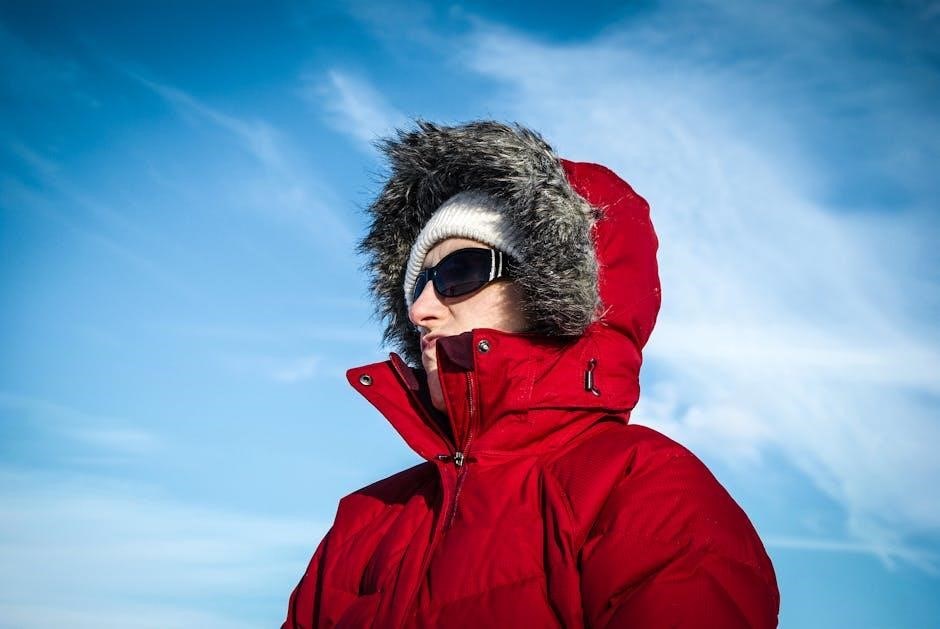
Finally, the outer layer shields you from wind and water. Each layer plays a vital role, working synergistically to regulate body temperature and ensure comfort in varying conditions.
The Base Layer: Wicking Moisture
The base layer is your first line of defense against the cold. Its primary function isn’t warmth, but rather to wick moisture – sweat – away from your skin. This prevents chilling as dampness drastically reduces insulation.
Effective base layers keep you dry and comfortable, even during activity. Choosing the right material, like merino wool or synthetics, is crucial for optimal performance in winter conditions.
The Mid Layer: Providing Insulation
The mid-layer’s role is to trap air and provide crucial insulation. This layer builds upon the moisture-wicking foundation of the base layer, creating a warm and comfortable microclimate. Options include fleece, down, or synthetic insulation, each offering varying levels of warmth and performance.
Selecting the appropriate weight of your mid-layer depends on the temperature and your activity level, ensuring you stay warm without overheating.
The Outer Layer: Blocking Wind and Water
The outer layer is your shield against the elements, protecting you from wind, rain, and snow. Choosing between waterproof and water-resistant outerwear is key, depending on expected conditions. Understanding breathability ratings is also vital; higher ratings allow moisture vapor to escape, preventing overheating and condensation.
A windproof outer layer is essential, especially when facing frigid air surges, ensuring maximum warmth and comfort during winter activities.
Common Layering Mistakes to Avoid
Avoid the pitfalls of improper layering for optimal warmth and comfort! Overdressing and sweating can lead to chilling as moisture builds up. Wearing cotton layers is a significant error; cotton absorbs and retains moisture, diminishing its insulating properties and increasing the risk of hypothermia.
Prioritize moisture-wicking materials and adjust layers proactively to maintain a comfortable body temperature throughout your winter adventures.
Overdressing and Sweating
The temptation to bundle up excessively can backfire! Overdressing leads to perspiration, and damp clothing drastically reduces insulation. As sweat cools, it chills the body, creating a dangerous cycle.
Prioritize breathable layers and regulate warmth through adjustments, rather than adding bulk. Avoid overheating – a slight chill is preferable to being soaked in sweat during winter activities.

Wearing Cotton Layers
Cotton is a notorious enemy of warmth in winter conditions! Unlike synthetic materials or wool, cotton absorbs and retains moisture, becoming heavy and losing its insulating properties when wet;
Avoid cotton as a base or mid-layer. It pulls heat away from the body, increasing the risk of hypothermia. Opt for moisture-wicking fabrics like merino wool or polyester to stay dry and comfortable.
Layering for Windy Conditions
Wind dramatically increases heat loss, making windproof layers crucial for winter comfort. A windproof outer shell blocks cold air, preventing it from penetrating your insulation.
Supplement with a neck gaiter or face protection to shield exposed skin. Even with adequate layers, wind can quickly chill vulnerable areas. Prioritize tightly woven fabrics and minimize gaps to maximize wind resistance and maintain warmth.
Windproof Outer Layers

Selecting a truly windproof outer layer is paramount for battling harsh winter conditions. These jackets and pants utilize tightly woven fabrics or membranes to completely block wind penetration.
Look for features like adjustable cuffs and hoods to seal out drafts. While waterproof options offer added protection, a dedicated windproof layer is essential even in dry, cold weather, significantly enhancing thermal efficiency and comfort.
Neck Gaiters and Face Protection
Don’t underestimate the impact of protecting your neck and face! Exposed skin in windy conditions leads to rapid heat loss and discomfort; Neck gaiters, constructed from fleece or windproof materials, offer versatile warmth.
Consider face masks or balaclavas for extreme cold or high-wind scenarios. These accessories shield sensitive skin, preventing frostbite and enhancing overall thermal regulation during outdoor winter activities.
Layering for Wet Conditions
Staying dry is paramount in cold, wet weather! Prioritize a waterproof and breathable outer layer to shield against rain and snow, preventing saturation. Quick-drying base layers, like synthetics, are crucial; avoid cotton, which retains moisture.
Ensure your mid-layer retains insulating properties even when damp. Proper layering minimizes the risk of hypothermia by managing moisture and maintaining core body temperature in challenging conditions.
Waterproof and Breathable Outerwear

Selecting the right outer layer is vital for protection! Waterproof outerwear creates a barrier against rain and snow, while breathability allows moisture vapor from sweat to escape. This prevents internal condensation and keeps you dry.
Look for fabrics with waterproof ratings and consider seam sealing for complete protection. A breathable shell ensures comfort during activity, preventing overheating and maintaining a regulated body temperature.
Quick-Drying Base Layers
Essential for maintaining comfort, quick-drying base layers are crucial! Avoiding cotton is paramount, as it retains moisture and leads to chilling. Synthetic materials and merino wool excel at wicking away sweat, keeping skin dry even during exertion.
This moisture management is key to preventing hypothermia in wet conditions. Prioritize base layers that efficiently transfer moisture to the mid-layer for evaporation, ensuring optimal temperature regulation.
Understanding Temperature Ratings of Layers
Layer temperature ratings offer guidance, but aren’t absolute! These ratings indicate the approximate conditions a garment is designed for, assuming moderate activity levels. Combining layers significantly extends protection in extreme cold.
Consider your personal metabolism and activity intensity when interpreting ratings. A “moderate” rating for one person might feel insufficient for another. Always err on the side of caution and add extra insulation when facing prolonged exposure.
What Do Temperature Ratings Mean?
Temperature ratings are estimates of a layer’s thermal resistance. They suggest the lowest temperature at which an average person will feel comfortable during moderate activity. Ratings aren’t precise; individual perception varies greatly.
Manufacturers often test in controlled conditions, which differ from real-world scenarios. Wind, humidity, and exertion levels all impact warmth. Use ratings as a starting point, and always adjust your layering based on actual conditions and your body’s signals.
Combining Layers for Extended Cold Protection
Maximize warmth by strategically combining layers! When facing extreme cold, don’t rely on a single, heavily insulated piece. Multiple thinner layers trap air more effectively than one bulky item, offering superior insulation.
Prioritize a robust mid-layer system, potentially adding an extra fleece or down jacket. Consider the total CLO value – a measure of thermal insulation – when selecting combinations for prolonged exposure to frigid temperatures.
Caring for Your Winter Layers
Proper care extends the life and effectiveness of your winter gear! Always follow manufacturer’s washing and drying instructions to preserve insulation properties. Gentle cycles and low heat are generally recommended, especially for down and synthetic fills.
Store layers in breathable bags, avoiding compression which can damage insulation. Regularly air out garments to prevent mildew and maintain freshness, ensuring they’re ready for the next cold-weather adventure.
Washing and Drying Instructions
Maintaining your layers starts with careful cleaning! Most base and mid-layers benefit from a gentle cycle using a mild detergent. Avoid bleach or fabric softeners, as these can diminish performance. Turn garments inside out to protect outer surfaces.
Drying requires caution. Tumble dry on low heat with dryer balls to restore fluffiness, or hang to air dry – ensuring complete dryness prevents mildew. Down items may require specialized cleaning.
Proper Storage to Maintain Insulation
Preserving your layers’ warmth hinges on correct storage! Clean garments thoroughly before long-term storage to eliminate oils and odors. Store in a cool, dry, and well-ventilated space, avoiding damp basements or hot attics.
Use breathable storage bags, not plastic, to prevent moisture buildup. Loosely fold or roll items; avoid tightly compressing down or synthetic insulation, as this reduces loft and warmth.